- Available 24/7 — 365 Days a Year
- Toronto & All GTA — Southern Ontario
- IICRC Certified · Insurance Approved
- Residential & Commercial Services

CALL NOW
(416) 657-2222

(416) 657-2222
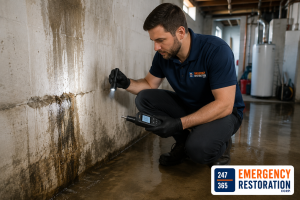
In this video, watch our skilled team use advanced technology like moisture detection tools, HEPA filtration, and containment methods to fully remove mold from affected areas. We follow strict industry protocols to protect your home’s structure and improve indoor air quality. Whether you’re facing a minor mold patch or extensive contamination, early action is key to preventing costly repairs and health risks. From Toronto and Mississauga to Barrie, Orillia, and Newmarket, 247-365 Restoration is ready to respond quickly and effectively whenever mold strikes.
Don’t let mold compromise your home or business. Contact 247-365 Restoration today for reliable, certified mold remediation you can trust—anytime, all year round. 📞 Call us anytime: (416) 657-2222 🌐 Visit: 247-365.ca #MoldRemoval #247365Restoration #MoldRemediation #HealthyHome #EmergencyRestoration #GTA #SimcoeLake #moldinspection #moldremoval #moldremediation
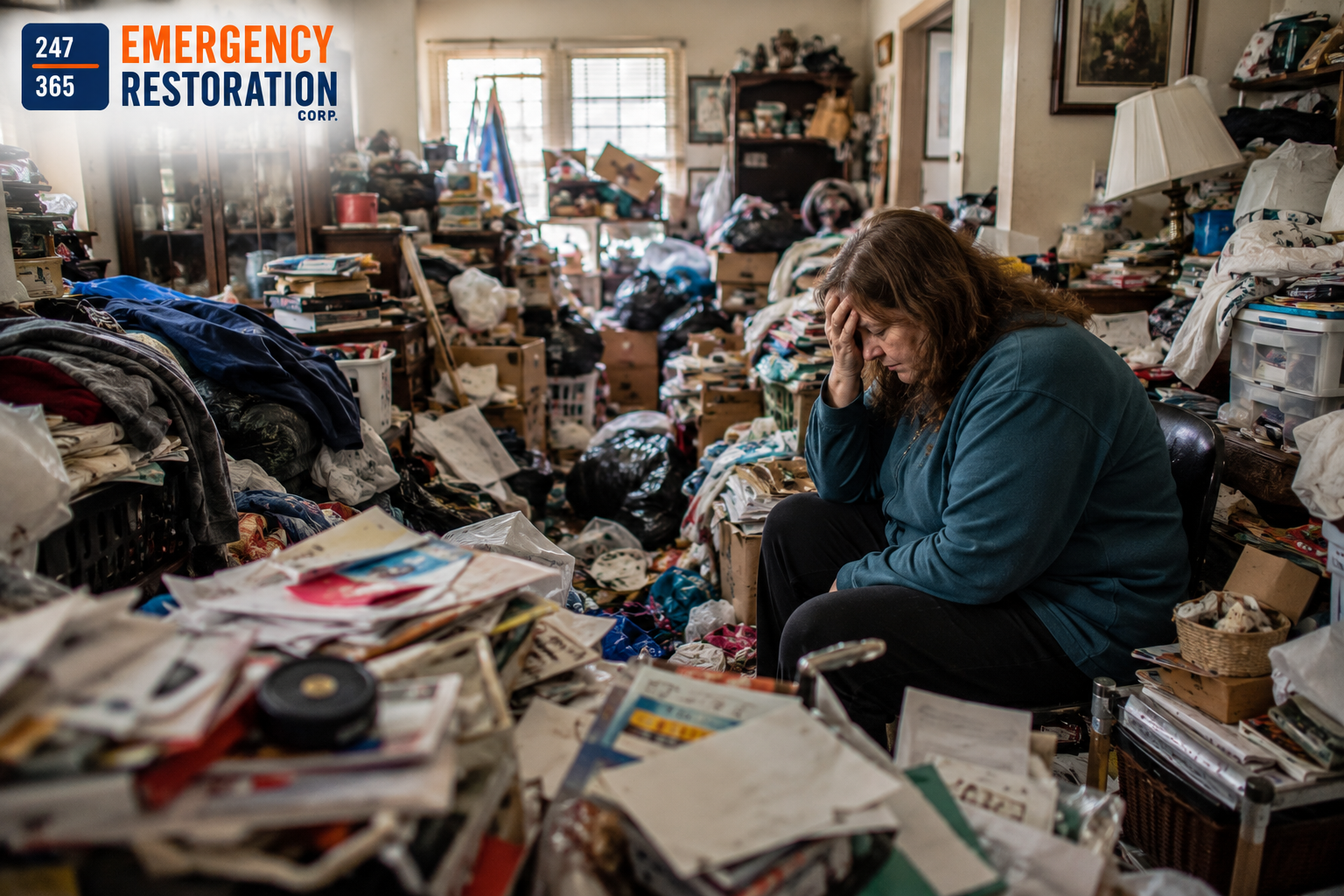
Hoarding disorder is a recognized mental health condition in which a person has persistent difficulty discarding or parting with possessions, regardless of their actual value. Over time, items accumulate to the point where living spaces become overcrowded, making everyday activities difficult or even impossible. While many people occasionally hold onto sentimental belongings, hoarding disorder goes far beyond simple collecting and can create serious health, safety, and structural concerns.
For families, property owners, and landlords, understanding hoarding disorder is essential. Early recognition can help prevent hazardous living conditions and ensure that individuals receive the support they need. In many severe cases, professional hoarding cleanup services are necessary to safely restore the property.
Hoarding disorder is classified as a mental health condition by medical professionals. Individuals with this disorder often experience intense anxiety or emotional distress when asked to throw away possessions. As a result, they continue to accumulate items that may have little or no practical value.
Commonly hoarded items include newspapers, magazines, clothing, food containers, boxes, electronics, furniture, and household items. In some cases, the accumulation becomes so severe that rooms can no longer be used for their intended purpose.
Unlike organized collections, hoarded items are typically stored without order, making the home unsafe and difficult to navigate.
There is no single cause of hoarding disorder. Mental health experts believe it develops from a combination of emotional, psychological, and environmental factors.
Many individuals with hoarding disorder also experience anxiety or depression. Saving possessions may provide temporary emotional comfort, making it difficult to discard them.
The loss of a loved one, divorce, financial hardship, or other traumatic experiences can trigger hoarding behaviors. Possessions may become emotionally significant and difficult to let go.
Research suggests that hoarding disorder can run in families. Genetics and learned behaviors may both contribute to its development.
Many people with hoarding disorder struggle to decide what should be kept and what should be discarded. This indecision often leads to continued accumulation.
Recognizing the warning signs early can prevent dangerous living conditions.
Rooms become filled with possessions, leaving little usable living space.
The individual experiences significant distress when attempting to discard items, even if they have little value.
Hallways, staircases, and doorways may become partially or completely blocked, creating safety hazards.
Food waste, dust, mold, pests, and unpleasant odors may develop as clutter accumulates.
Many people with hoarding disorder avoid inviting friends or family into their homes because they feel embarrassed by the condition.
Hoarding disorder affects far more than appearance. Severe clutter creates serious risks for both occupants and emergency responders.
Stacks of paper, clothing, and other combustible materials increase the likelihood of fire and can block emergency exits.
Hidden moisture beneath clutter can encourage mold growth, leading to poor indoor air quality and potential respiratory problems.
Rodents, insects, and other pests often thrive in cluttered environments where food and shelter are readily available.
Excessive weight from accumulated belongings can place stress on floors, while hidden leaks may cause water damage that goes unnoticed for months.
In severe cases, hoarded homes may contain animal waste, spoiled food, sewage contamination, or bodily fluids, requiring professional biohazard cleanup.
Cleaning a severely hoarded property is often overwhelming for families. Beyond the emotional challenges, there may also be hidden health hazards that require specialized equipment and training.
Professional hoarding cleanup teams follow structured processes to safely remove clutter, identify hazardous materials, disinfect affected areas, and restore the property to a clean and livable condition.
Experienced restoration professionals also understand the importance of treating individuals with compassion, respect, and confidentiality throughout the cleanup process.
Every situation is unique, but professional cleanup generally includes:
The cleanup team evaluates the condition of the home and identifies potential health and safety risks.
Items are sorted carefully to determine what should be kept, donated, recycled, or disposed of according to the homeowner’s wishes whenever possible.
After clutter is removed, technicians thoroughly clean and disinfect affected areas to eliminate bacteria, odors, and contaminants.
If mold, sewage, animal waste, or other hazardous materials are present, specialized remediation procedures are performed.
Some homes require repairs after cleanup, including drywall replacement, flooring restoration, odor removal, or water damage restoration.
If someone you know is struggling with hoarding disorder, approaching the situation with empathy is essential. Avoid criticism or forcing immediate cleanup, as this can increase emotional distress.
Instead, encourage open conversations and suggest seeking support from mental health professionals alongside experienced hoarding cleanup specialists. Combining emotional support with professional cleanup services often produces the best long-term outcomes.
Professional assistance should be considered when clutter creates unsafe living conditions, blocks exits, attracts pests, causes mold growth, produces strong odors, or poses biohazard risks.
The earlier the problem is addressed, the easier it is to restore both the property and the quality of life for those involved.
If a hoarded property has become unsafe or unlivable, professional help can make all the difference. At 247-365 Restoration, our experienced team provides compassionate, discreet, and thorough hoarding cleanup services throughout Toronto and the GTA. We safely remove clutter, eliminate health hazards, and restore homes to clean, healthy living spaces while treating every client with dignity and respect.
Hoarding disorder is a mental health condition that causes persistent difficulty discarding possessions, resulting in excessive clutter that interferes with daily living and creates safety risks.
Collectors intentionally organize and display valuable items, while hoarding disorder involves disorganized accumulation that limits the normal use of living spaces and often creates health and safety hazards.
Yes. Severe hoarding can increase the risk of fires, mold growth, pest infestations, structural damage, falls, and biohazard conditions, making professional intervention necessary in many cases.
Yes. Professional hoarding cleanup companies use specialized equipment, protective gear, and proven cleaning methods to safely remove clutter, disinfect affected areas, and restore the property.
You should contact a professional when clutter prevents normal use of the home, creates health or safety risks, causes odors or pest problems, or when the cleanup is too large or hazardous to handle without expert assistance.
50+ Restoration, Environmental, Inspection & Property Maintenance Services – 24/7 Across Southern Ontario