- Available 24/7 — 365 Days a Year
- Toronto & All GTA — Southern Ontario
- IICRC Certified · Insurance Approved
- Residential & Commercial Services

CALL NOW
(416) 657-2222
(416) 657-2222
How Professionals Extract Water After a Burst Pipe?
When a burst pipe under your sink floods your kitchen, time is critical. In this showcase video, 247-Restoration Corp. demonstrates how our expert team handles water damage emergencies with precision, speed, and care — from inspection to full restoration.
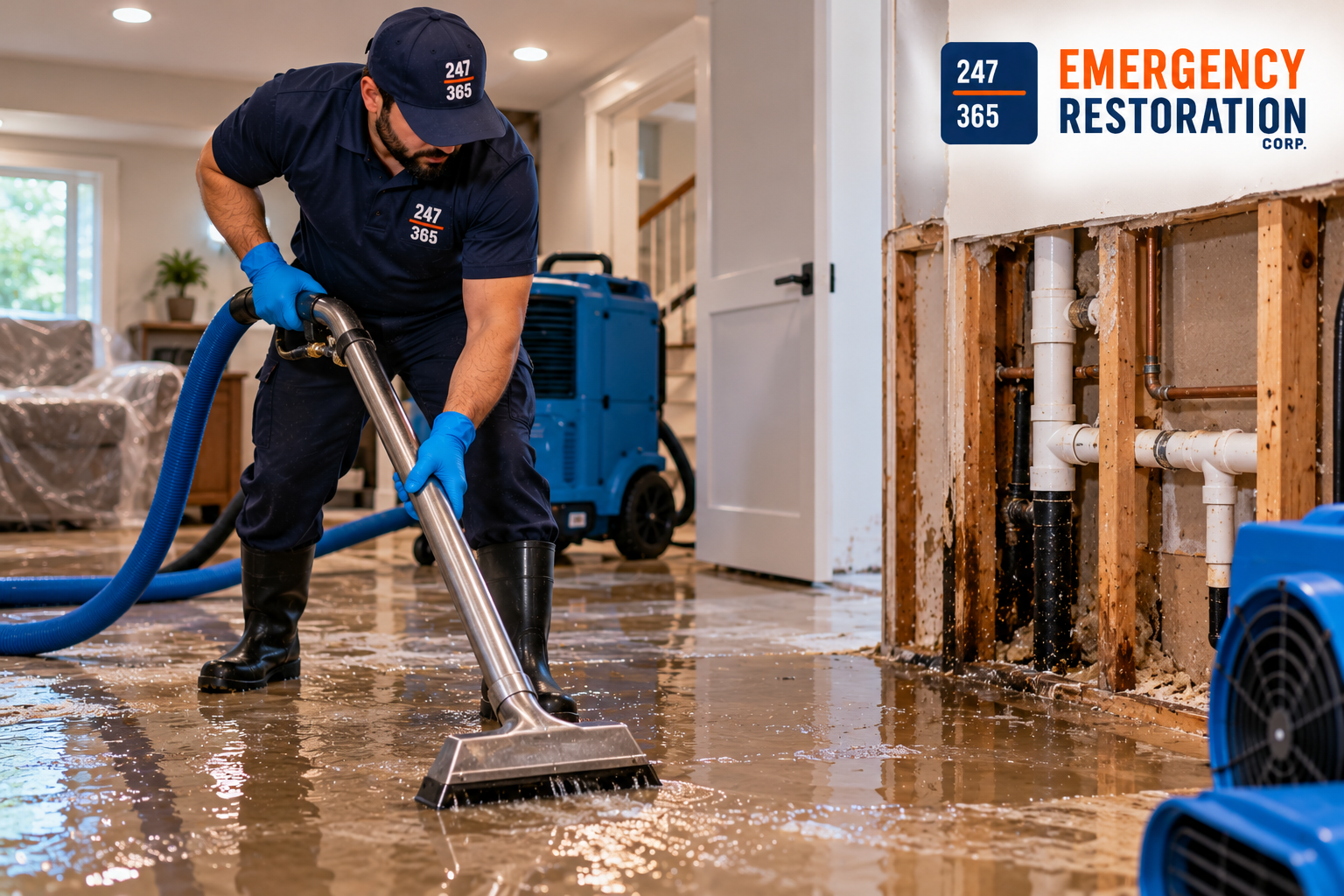
A burst pipe can release a large amount of water into your home within a short period. Whether a pipe breaks behind a wall, beneath a sink, in a basement, or near a water heater, the resulting damage can affect flooring, drywall, furniture, insulation, and other building materials. Even after the water supply is shut off, moisture may remain trapped in areas that are difficult to see.
Professional water extraction is an important first step in recovering from a burst pipe. Restoration specialists use commercial equipment, moisture detection tools, and structured drying procedures to remove standing water and help prevent further damage.
Understanding how professionals extract water after a burst pipe can help homeowners recognize the importance of prompt action and know what to expect during the restoration process.
Pipes can burst because of freezing temperatures, corrosion, excessive water pressure, damaged connections, or deteriorating plumbing materials. When a pipe breaks, water can spread through rooms, seep beneath flooring, and penetrate walls and ceilings.
The amount of damage depends on the size and location of the break, how long water flows, and the materials affected. A small leak may cause gradual damage, while a major pipe rupture can flood several rooms in minutes.
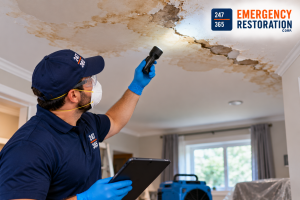
Water can also travel beyond the area where the pipe broke. For example, water released on an upper floor may seep through the ceiling and damage rooms below. This is why a professional inspection should consider both visible water and concealed moisture.
Removing standing water quickly can help reduce the extent of property damage. Water may cause wood to swell, drywall to deteriorate, flooring to warp, and furniture to become damaged.
When building materials remain wet, mould may develop under suitable conditions. Moisture trapped inside wall cavities or beneath flooring can be especially difficult to identify without appropriate equipment.
Prompt extraction helps reduce the amount of water that can continue soaking into materials. However, water removal alone is not enough. A complete restoration process also requires moisture assessment, drying, and verification that affected areas have reached appropriate moisture levels.
If a pipe has burst, shut off the water supply if it is safe to do so. Avoid entering flooded areas where electrical hazards may exist, and contact qualified professionals when necessary.
Professional restoration technicians generally follow a systematic process based on the extent of the damage and the type of water involved.
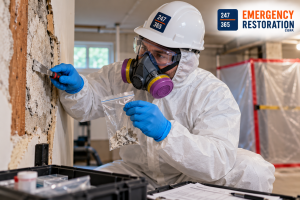
The process begins with an assessment of the affected areas. Technicians look for standing water, damaged materials, visible leaks, and signs that moisture has spread into adjoining rooms.
They may inspect floors, walls, ceilings, cabinets, and other surfaces to determine the likely extent of the damage. Moisture meters and other inspection tools can help identify wet materials that appear dry on the surface.
The source of the leak should also be addressed. A plumber may be required to repair the damaged pipe before restoration work can proceed safely and effectively.
Once the area is safe to enter, technicians use suitable extraction equipment to remove accumulated water.
Depending on the volume of water and the layout of the property, this equipment may include:
Submersible pumps: Used to remove substantial amounts of standing water from suitable flooded areas.
Commercial wet vacuums: Used to collect water from floors and smaller affected spaces.
High-capacity extraction systems: Used to remove water efficiently from suitable surfaces and materials.
Specialized extraction tools: Used to reach water in confined spaces or remove moisture from carpets and other appropriate flooring materials.
The equipment selected depends on the conditions at the property. Water contaminated by sewage or other hazardous substances requires additional precautions and appropriate handling procedures.
Carpets, rugs, and some flooring systems can absorb or trap water after a pipe bursts. Technicians assess whether the affected materials can be safely restored or need to be removed.
Where appropriate, specialized extraction tools can remove water from carpet fibres and padding. Hard flooring may require careful extraction around edges, joints, and other areas where water can collect.
Some materials, including certain laminate flooring products and composite wood components, may swell or deteriorate after prolonged exposure. If water has penetrated beneath the surface, removing visible water may not be sufficient.
The restoration team determines whether cleaning, drying, removal, or replacement is appropriate based on the extent of damage and contamination.
One of the most important parts of professional water extraction is locating moisture that cannot be seen.
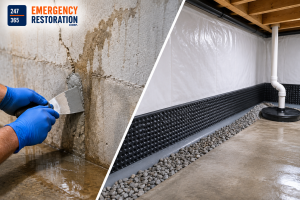
Water from a burst pipe may enter wall cavities, soak insulation, collect beneath cabinets, or spread under flooring. These concealed areas can remain wet even after the visible water has been removed.
Restoration technicians may use moisture meters and other suitable inspection equipment to evaluate affected materials. Thermal imaging can sometimes help identify temperature patterns associated with moisture, although further measurements may be needed to confirm the findings.
Identifying hidden moisture helps technicians determine where additional drying or material removal may be necessary.
After standing water is removed, professionals begin structural drying. This process commonly involves commercial air movers and dehumidifiers.
Air movers circulate air across wet surfaces to encourage evaporation. Dehumidifiers remove moisture from the air, supporting continued drying.
The equipment is positioned according to the affected materials, room conditions, and moisture readings. Technicians may monitor the drying process and adjust equipment as conditions change.
Drying times vary depending on the amount of water, the building materials involved, temperature, humidity, and airflow. A room that looks dry may still contain moisture inside walls or beneath flooring, so measurements are more reliable than appearance alone.
Once extraction and drying are underway, the restoration team determines what additional cleaning or repairs are required.
Depending on the incident, work may include cleaning suitable surfaces, removing damaged drywall or insulation, repairing flooring, and replacing affected building materials.
If the water came from a clean supply pipe, the cleanup requirements may differ from those for contaminated water. If sewage or other contaminants are involved, specialized cleaning and disinfection may be necessary.
The final restoration scope depends on the extent of the damage and the condition of the affected materials.
Professional restoration companies use equipment designed to remove water efficiently and monitor moisture during recovery.
Common equipment includes:
Water extraction pumps for removing standing water.
Commercial wet vacuums for collecting water from floors and other suitable surfaces.
Air movers for increasing airflow across wet materials.
Dehumidifiers for removing excess moisture from indoor air.
Moisture meters for checking moisture levels in building materials.
Protective equipment selected according to the hazards present.
Using appropriate equipment helps technicians address both visible water and the moisture that remains after extraction. Equipment selection depends on the size of the affected area, the type of water, and the materials involved.
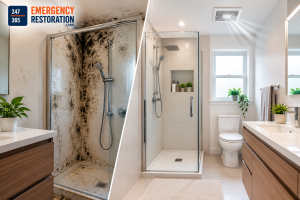
Mould can develop when moisture remains in building materials under suitable conditions. After a pipe bursts, removing water and drying the affected areas thoroughly are important steps in reducing the risk.
Homeowners can help by taking the following precautions:
Arrange water extraction as soon as it is safe.
Repair the broken pipe and stop the source of moisture.
Ensure affected materials are dried thoroughly.
Monitor damp areas and investigate persistent musty odours.
Have water-damaged porous materials assessed for cleaning or removal.
Seek professional advice if mould appears or moisture remains concealed.
Avoid covering damp walls with fresh paint or reinstalling flooring before the underlying materials are sufficiently dry. Doing so can trap moisture and complicate future repairs.
The time required depends on the volume of water, the number of affected rooms, the type of flooring, and the extent of moisture penetration.
Removing standing water may take several hours or longer in a major incident. Drying building materials can require additional time, sometimes several days or more.
Water trapped inside wall cavities, beneath flooring, or in insulation may take longer to address than water on an exposed hard surface.
Professional technicians use inspections and moisture measurements to help determine when drying is complete. Rushing the process can leave hidden moisture behind and increase the likelihood of further damage.
Professional assistance is especially important when a burst pipe causes extensive flooding, water enters multiple rooms, or building materials become saturated.
You should consider contacting a restoration company if:
Water has spread beneath flooring or behind walls.
Drywall, ceilings, or insulation have become wet.
Water remains in the basement or other enclosed spaces.
The affected area has a persistent musty odour.
The water may be contaminated.
You cannot safely remove the water yourself.
247-365 Emergency Restoration Corp. can be presented as a point of contact for homeowners seeking information about emergency water extraction and water damage restoration, subject to the company’s actual service availability and coverage.
A qualified restoration provider can assess the damage, explain the extraction and drying process, and provide an estimate for the work required.
A burst pipe can cause extensive damage if water is not removed promptly. Professional water extraction involves more than pumping out standing water. It includes assessing the affected property, removing water with appropriate equipment, locating hidden moisture, drying structural materials, and determining which items require cleaning or replacement.
Taking action quickly can help limit damage to flooring, walls, furniture, and other belongings. Once the property is safe, professional assessment and thorough drying can help reduce the risk of persistent moisture problems and mould growth.
If a pipe bursts in your home, stop the water supply when safe, avoid electrical hazards, document the damage, and arrange appropriate professional assistance when needed.
Professionals inspect the affected property, remove standing water using commercial pumps and extraction equipment, assess hidden moisture, and dry affected materials with air movers and dehumidifiers.
Water extraction should begin as soon as it is safe to do so. Prompt action can help reduce the amount of water absorbed by flooring, drywall, furniture, and other materials.
Yes. If building materials remain damp, mould may develop under suitable conditions. Thorough drying and addressing the original leak help reduce this risk.
Small amounts of clean water may sometimes be manageable. However, extensive flooding, concealed moisture, contaminated water, or potential electrical hazards require professional assessment.
The extraction stage may take several hours or longer, depending on the volume of water and the affected area. Structural drying may require several additional days or more.
50+ Restoration, Environmental, Inspection & Property Maintenance Services – 24/7 Across Southern Ontario