- Available 24/7 — 365 Days a Year
- Toronto & All GTA — Southern Ontario
- IICRC Certified · Insurance Approved
- Residential & Commercial Services

CALL NOW
(416) 657-2222
(416) 657-2222
Basement Leak Repair vs. Waterproofing: Key Differences
Basement Leak Repair vs. Waterproofing: Key Differences
Basement Leak Repair vs. Waterproofing: Key Differences
When water starts dripping from your ceiling, time is everything. In this video, watch our expert crew at 247-365 Restoration respond to a real roof leak emergency—from initial inspection to damage control and complete repair.
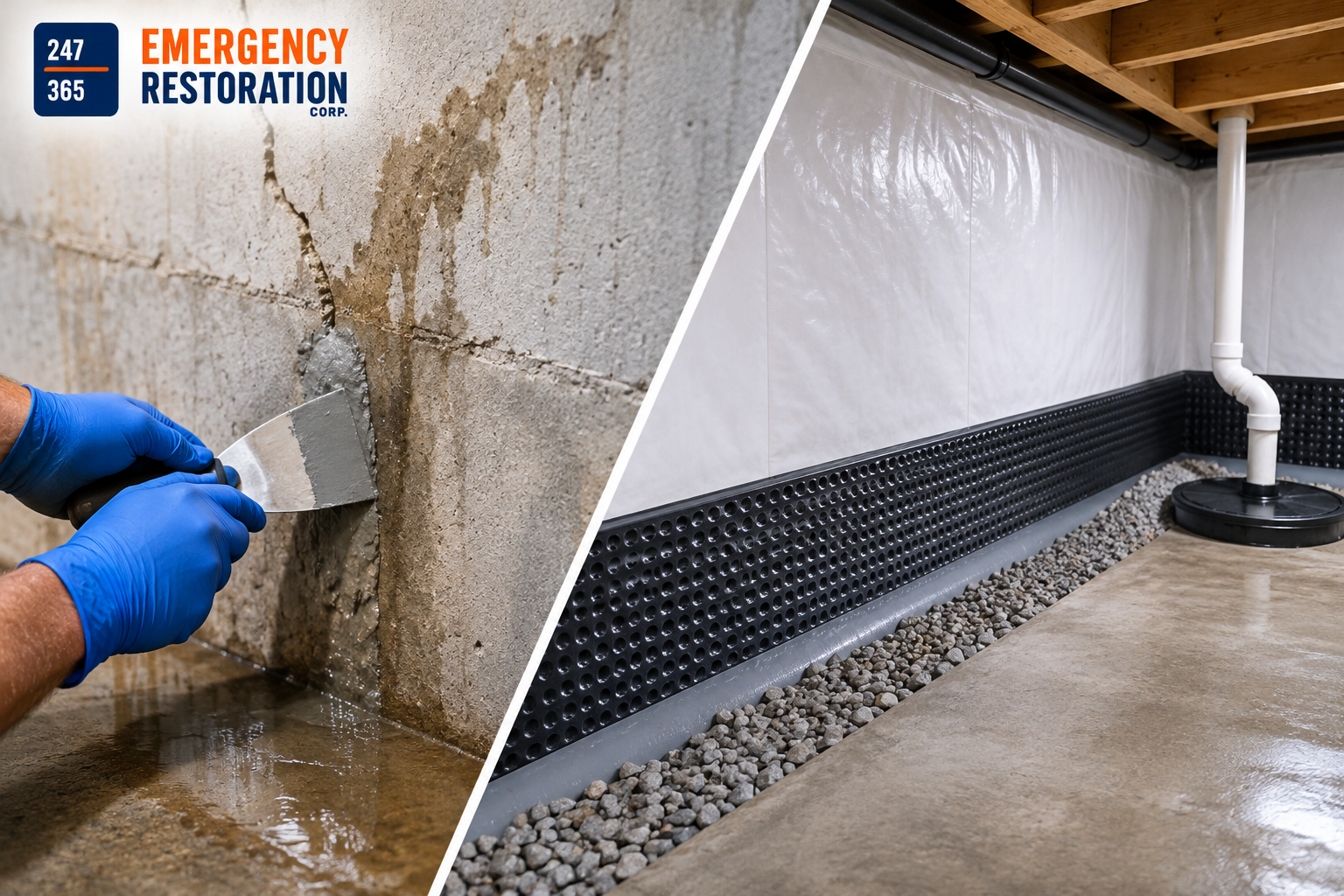
Basement water problems can cause significant damage to a home if they are not addressed properly. From small foundation leaks to recurring water infiltration during heavy rainfall, excess moisture can damage building materials, affect indoor air quality, and create conditions that encourage mould growth. Understanding the difference between basement leak repair and basement waterproofing helps homeowners choose the right solution and prevent expensive repairs.
Although these two services are closely related, they serve different purposes. Basement leak repair focuses on identifying and fixing existing water leaks, while basement waterproofing aims to prevent water from entering the basement and reduce the risk of future moisture problems.
Basement leak repair involves identifying the source of water intrusion and fixing the damaged area to stop water from entering the basement. The primary goal is to address an existing problem before it causes additional damage to the foundation, flooring, walls, or personal belongings.
Water can enter a basement through several locations, including foundation cracks, basement windows, plumbing connections, floor joints, and openings around utility pipes. Even small cracks can allow groundwater to enter, particularly during heavy rainfall or seasonal snowmelt.
Professional basement leak repair may involve different techniques depending on the source and severity of the leak.
Common repair methods include:
Foundation crack sealing: Specialized materials, such as polyurethane or epoxy injections, may be used to seal suitable foundation cracks.
Plumbing leak repairs: Damaged water supply lines, drainage pipes, and plumbing connections are repaired or replaced.
Window well repairs: Damaged window wells and drainage systems are corrected to reduce water accumulation.
Joint sealing: Gaps between basement walls and floors may be sealed using appropriate materials.
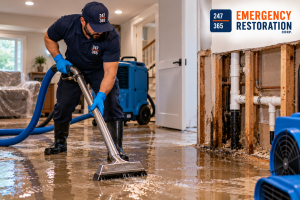
Water extraction: Standing water is removed using professional pumps and extraction equipment.
Structural repairs: Damaged concrete or masonry may require professional assessment and repair.
Basement leak repair is particularly important when homeowners notice water entering through a specific location. However, repairing the visible leak does not always eliminate the underlying drainage or groundwater problem.
Basement waterproofing is a preventive approach designed to protect a home’s foundation from water infiltration. Rather than focusing only on an existing leak, waterproofing addresses the conditions that allow water to reach foundation walls and enter the basement.
A properly designed waterproofing system helps manage groundwater, redirect surface water, and reduce moisture pressure around the foundation.
There are two main approaches to basement waterproofing.
Interior waterproofing focuses on managing water that reaches the foundation or enters the basement.
Common methods include:
Installing interior drainage channels along foundation walls.
Adding a sump pump system to collect and remove groundwater.
Applying suitable waterproof coatings to basement surfaces.
Installing drainage membranes to direct water toward collection systems.
Improving basement moisture management.
Interior basement waterproofing can be useful when groundwater enters through foundation joints or when exterior excavation is impractical.
Exterior waterproofing focuses on preventing water from reaching foundation walls in the first place.
Depending on the property’s condition, the process may include:
Excavating soil around the foundation.
Applying exterior waterproof membranes.
Installing drainage boards.
Repairing foundation cracks from the exterior.
Improving foundation drainage systems.
Correcting soil grading around the home.
Exterior waterproofing can provide additional protection by addressing water infiltration before moisture reaches the foundation walls.
The most appropriate method depends on the home’s construction, soil conditions, drainage system, and source of water intrusion.
Although both services help protect a property from water damage, their objectives and applications are different.
Basement leak repair is generally focused on correcting an existing issue. For example, if water enters through a visible foundation crack, repairing and sealing that opening may stop the immediate leak.
Basement waterproofing takes a broader approach. It focuses on reducing the conditions that allow water to enter the basement, including groundwater pressure, poor exterior drainage, and inadequate foundation protection.
The main differences include:
Purpose: Leak repair addresses an existing water problem, while waterproofing provides preventive moisture protection.
Scope of Work: Leak repair may involve one specific area, whereas waterproofing can involve larger sections of the foundation and drainage system.
Repair Methods: Leak repair commonly involves crack sealing, plumbing repairs, and joint sealing. Waterproofing may include drainage membranes, sump pumps, and exterior waterproof coatings.
Long-Term Protection: Leak repair can stop water from entering through a particular opening, while a properly designed waterproofing system helps reduce the likelihood of recurring water infiltration.
For example, repairing a foundation crack may resolve one leak, but if groundwater continues building pressure around the foundation, additional waterproofing measures may still be necessary.
Identifying the source of water is essential before choosing a basement leak repair or waterproofing solution. Several environmental and structural conditions can contribute to basement moisture problems.
Concrete foundations can develop cracks because of soil movement, settlement, temperature changes, or structural stress. These openings may allow groundwater to enter the basement, particularly when the surrounding soil becomes saturated.
When rainwater collects near foundation walls, it can increase hydrostatic pressure against the concrete. Over time, this pressure may force water through cracks and other weak points.
Blocked gutters and improperly positioned downspouts can direct large amounts of rainwater toward the foundation instead of carrying it safely away from the property.
A malfunctioning sump pump may allow groundwater to accumulate in the basement, especially during heavy rainfall or rapid snowmelt. Regular inspection and maintenance can help reduce this risk.
Seasonal groundwater fluctuations can increase pressure around foundation walls and basement floors. Properties with inadequate drainage may be particularly vulnerable.
Leaking water supply lines, drainpipes, and plumbing connections can create moisture problems that may initially appear to be foundation leaks.
Understanding the underlying cause helps ensure that the selected solution addresses the actual problem rather than temporarily hiding its symptoms.
Basement water problems are not always immediately visible. In many cases, homeowners notice subtle warning signs before significant damage develops.
Common indicators include:
Damp spots or water stains on basement walls.
Visible cracks with moisture around them.
Standing water on basement floors.
Musty or unpleasant odours.
Peeling paint or bubbling wall finishes.
White powdery deposits on concrete surfaces.
Rust or corrosion around metal fixtures.
Persistent condensation and high humidity.
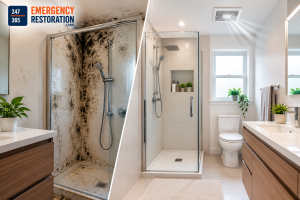
Mould growth around walls, flooring, or stored belongings.
These warning signs may indicate active water intrusion or an ongoing moisture problem.
If water damage is already present, a professional assessment can help determine whether water extraction, structural drying, mould remediation, leak repair, or waterproofing is required.
Basement leak repair is generally appropriate when water is entering through an identifiable source that requires immediate attention.
For example, a homeowner may notice water appearing around a foundation crack after heavy rainfall. In this situation, identifying and repairing the crack is an important first step.
Leak repair may also be necessary when:
A plumbing pipe suddenly starts leaking.
Water enters around a basement window.
A visible foundation crack allows moisture inside.
Water appears around a pipe penetration.
A damaged connection allows water to reach basement flooring.
However, homeowners should remember that stopping one leak does not necessarily eliminate all underlying moisture conditions.
If the same area continues becoming wet after repairs, additional drainage improvements or waterproofing measures may be necessary.
Basement waterproofing is worth considering when a property experiences repeated moisture problems or has conditions that increase the likelihood of future water intrusion.
Homeowners may benefit from waterproofing when:
Water repeatedly enters during heavy rainfall.
Multiple foundation areas show signs of moisture.
Groundwater accumulates around the foundation.
The basement has inadequate drainage.
The sump pump system requires improvement.
Previous leak repairs have not resolved recurring problems.
The property has an older foundation with moisture concerns.
Waterproofing is also an important consideration during basement renovations. Protecting the space against moisture before installing new flooring, drywall, or finished surfaces can help reduce the risk of future damage.
Yes. In many situations, combining basement leak repair and waterproofing provides a more complete solution.
Consider a basement where water enters through several foundation cracks during heavy rainfall. Repairing the cracks may stop water from entering through those specific openings. However, poor drainage and groundwater pressure may continue affecting the foundation.
A more comprehensive approach may include:
Identifying and repairing active foundation leaks.
Removing standing water from affected areas.
Drying moisture-damaged building materials.
Improving exterior drainage conditions.
Installing an appropriate waterproofing or drainage system.
Monitoring the basement for recurring moisture.
Addressing both the immediate damage and the conditions contributing to water intrusion can help protect the property over the long term.
Basement water problems can involve more than visible leaks. Water may travel behind finished walls, beneath flooring, and into insulation before homeowners notice significant damage.
A professional assessment helps identify the source and extent of the problem.
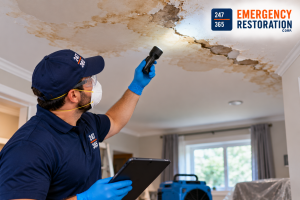
Depending on the situation, restoration professionals may use moisture meters, thermal imaging equipment, and other inspection methods to identify hidden moisture.
If water has already entered the basement, restoration may involve:
Emergency water extraction.
Removal of unsalvageable water-damaged materials.
Structural drying.
Moisture monitoring.
Cleaning and sanitation.
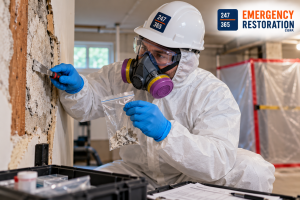
Mould assessment and remediation when necessary.
It is particularly important to address contaminated water promptly. Sewage or other potentially hazardous water requires appropriate protective procedures and professional cleanup.
Choosing the right combination of repair, restoration, and waterproofing services can help reduce additional damage and protect the condition of the home.
Regular maintenance can help reduce the likelihood of basement leaks and expensive restoration work.
Maintain Gutters and Downspouts: Clean gutters regularly and ensure downspouts direct water away from the foundation.
Check Exterior Grading: The soil surrounding the home should generally slope away from the foundation to prevent water accumulation.
Inspect Foundation Walls: Look for new cracks, damp patches, and signs of water infiltration.
Maintain the Sump Pump: Test the system periodically and consider installing a battery backup where appropriate.
Monitor Basement Humidity: Use a dehumidifier when necessary and investigate persistent condensation.
Address Plumbing Problems Quickly: Repair leaking pipes and damaged plumbing connections before moisture spreads.
Schedule Professional Inspections: If water problems continue, have the foundation and drainage conditions assessed by qualified professionals.
Preventive maintenance combined with timely repairs can help homeowners maintain a dry and functional basement.
Basement leak repair focuses on stopping an existing source of water intrusion, while basement waterproofing aims to prevent or manage future water infiltration. Both services may be necessary when a basement experiences recurring moisture problems.
Neither solution is universally better. Leak repair is appropriate for addressing specific existing leaks, while waterproofing provides broader moisture protection. The correct approach depends on the source and severity of the water problem.
Yes. Some isolated foundation cracks can be repaired using suitable injection or sealing methods. However, if groundwater pressure or poor drainage contributes to recurring leaks, additional waterproofing may be recommended.
Repeated water intrusion, damp foundation walls, musty odours, visible moisture, and recurring basement leaks may indicate the need for waterproofing. A professional inspection can help determine the appropriate solution.
Yes. Persistent moisture creates conditions that support mould growth, particularly when water affects drywall, insulation, wood, or other organic materials. Prompt water removal and proper drying are important to reduce this risk.
50+ Restoration, Environmental, Inspection & Property Maintenance Services – 24/7 Across Southern Ontario