- Available 24/7 — 365 Days a Year
- Toronto & All GTA — Southern Ontario
- IICRC Certified · Insurance Approved
- Residential & Commercial Services

CALL NOW
(416) 657-2222

(416) 657-2222
Is mould hiding in your walls? You might not see it, but it could be putting your health at risk. At 247-365.ca, we offer professional mould inspections—available 24/7, 365 days a year. For More Information: Learn more : https;//247-365.ca/ Call us : 416-657-2222 #waterdamage #Mold #emergencyflood #moldinspection #restoration #restorationservice #restorationservicetoronto #firedamage #moldremediation #waterdamagerestoration #moldremoval #sewagebackup
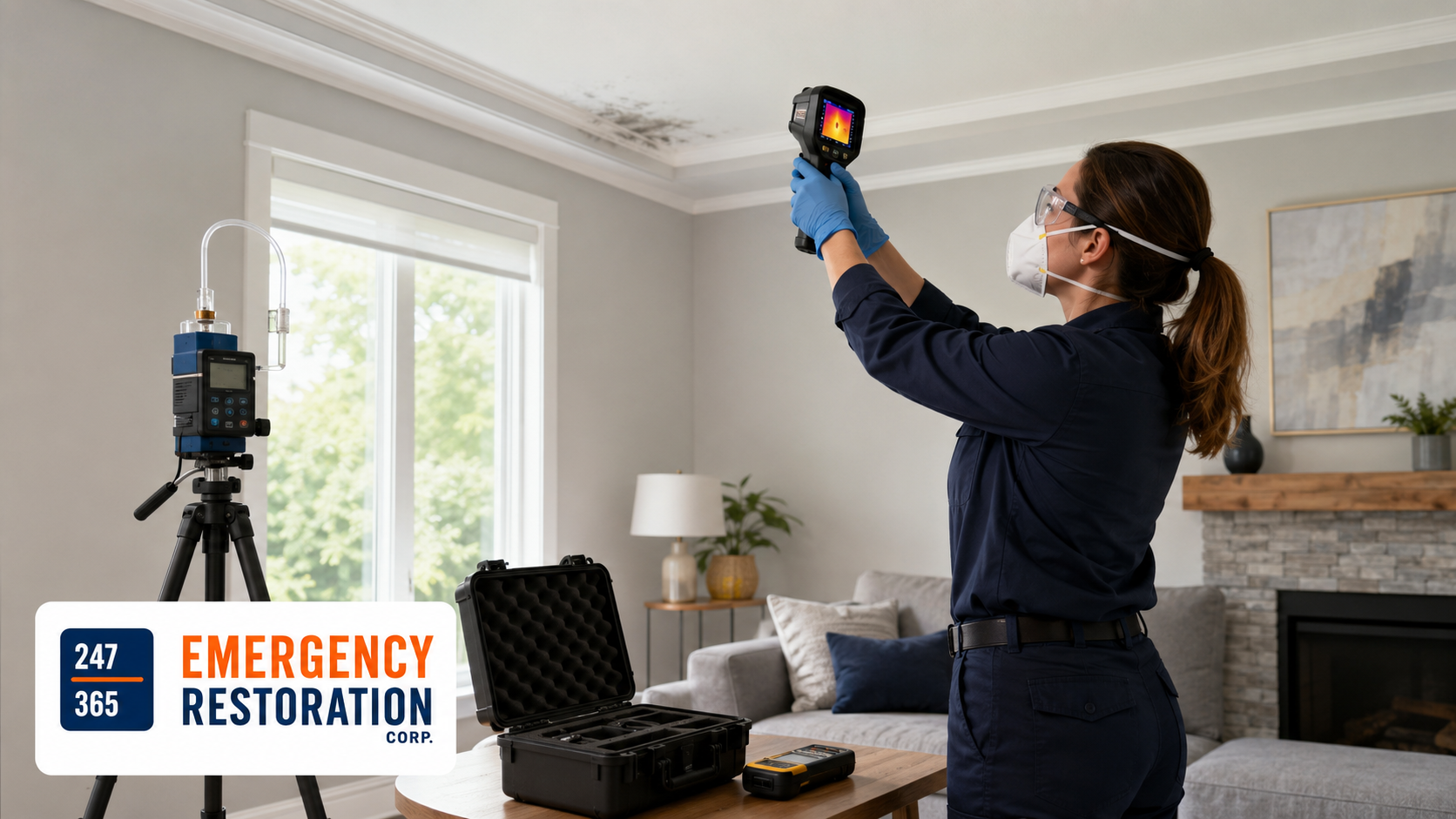
Mould can grow silently behind walls, under flooring, inside ceilings, and in other hidden areas of your home. By the time visible mould appears, the contamination may already be widespread. That’s why a professional mould inspection is one of the most important steps in protecting your property, indoor air quality, and your family’s health.
Whether you’ve noticed a musty smell, experienced recent water damage, or simply want peace of mind before purchasing a home, understanding what happens during a professional mould inspection can help you make informed decisions.
Mould thrives in damp, humid environments and often develops after plumbing leaks, roof leaks, basement flooding, or poor ventilation. Unfortunately, mould isn’t always visible. Hidden mould can continue spreading for months without being noticed.
A professional mould inspection helps:
Early detection can save homeowners thousands of dollars in future repairs.
Many homeowners wait until they see mould before calling an expert, but several warning signs indicate it’s time for an inspection.
You should schedule a professional mould inspection if you notice:
The sooner mould is identified, the easier and less expensive it is to address.
The inspection begins with a thorough walkthrough of your property.
A certified mould inspector carefully examines areas that commonly experience moisture problems, including:
The inspector looks for visible mould growth, water stains, peeling paint, warped materials, discoloration, and signs of excessive humidity.
Even if mould isn’t visible, these indicators often reveal hidden moisture problems.
One of the biggest advantages of hiring professionals is access to specialized equipment.
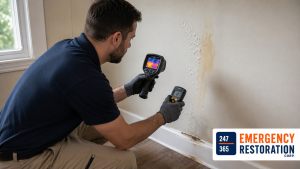
Moisture meters measure the moisture content inside building materials such as drywall, wood, and flooring.
Thermal imaging cameras detect subtle temperature differences that often indicate hidden moisture behind walls or ceilings.
These tools allow inspectors to locate hidden leaks without damaging your property.
Finding the moisture source is essential because mould will continue growing unless the underlying water problem is resolved.
Not every mould inspection requires laboratory testing, but when contamination is suspected or indoor air quality is a concern, inspectors may collect samples.
Common testing methods include:
Air samples measure the concentration and types of airborne mould spores inside your home.
These samples are compared with outdoor air to determine whether indoor mould levels are elevated.
Surface samples may be collected from walls, ceilings, insulation, flooring, or other materials where mould is suspected.
These samples help identify the mould species present and determine the severity of contamination.
Professional sampling provides accurate information that visual inspections alone cannot.
Collected samples are sent to an accredited laboratory for analysis.
The laboratory identifies:
While many mould species are relatively harmless, others may trigger allergies, asthma, or respiratory irritation, especially in children, seniors, and individuals with weakened immune systems.
Laboratory results help restoration professionals determine the safest remediation strategy.
Once testing is complete, you’ll receive a comprehensive inspection report.
The report typically includes:
This report becomes an important roadmap for mould remediation and future prevention.
If mould is confirmed, the next step is professional mould remediation.
A certified restoration company will:
The goal is not only to remove mould but also to eliminate the moisture source that allowed it to grow.
Homeowners can certainly look for obvious signs like visible mould or water stains, but hidden mould often requires professional equipment and expertise.
DIY mould test kits sold online frequently produce misleading or incomplete results because mould spores naturally exist in both indoor and outdoor environments.
Professional inspectors understand how to interpret moisture readings, evaluate building materials, and determine whether mould growth requires remediation.
Attempting to diagnose hidden mould without proper tools may delay necessary repairs and allow contamination to spread.
After your inspection, preventing future mould problems should become a priority.
Simple preventive measures include:
Preventing excess moisture is the most effective way to stop mould from returning.
Professional mould inspectors combine training, experience, and advanced diagnostic equipment to identify problems that homeowners often overlook.
Their expertise helps:
Whether you’ve experienced flooding, discovered a leak, or noticed a persistent musty smell, a professional inspection provides the information you need to protect your property.
A professional mould inspection is much more than a quick visual assessment. It is a comprehensive evaluation of your home’s condition, moisture levels, indoor air quality, and potential mould contamination. Using advanced tools such as moisture meters, thermal imaging cameras, and laboratory testing, certified inspectors can detect problems before they become major restoration projects.
If you suspect mould in your home, don’t wait until the damage becomes extensive. Early inspection and timely remediation can protect your family’s health, preserve your property’s value, and prevent expensive future repairs.
If you’ve noticed musty odours, recent water damage, or signs of hidden mould, 247-365 Restoration is here to help. Our certified technicians provide comprehensive mould inspections, advanced moisture detection, laboratory testing, and professional mould remediation services throughout Southern Ontario. Contact us today to schedule your inspection and keep your home safe, healthy, and mould-free.
A professional mould inspection includes a detailed visual assessment, moisture detection, thermal imaging, and, when necessary, air and surface sampling. The inspector identifies visible and hidden mould, locates moisture sources, and provides recommendations for remediation.
Most residential mould inspections take between 1 and 3 hours, depending on the size of the property and the extent of the suspected mould problem. Additional laboratory testing may require a few extra days for results.
Yes. Mould commonly grows behind drywall, under flooring, inside ceilings, crawl spaces, and attics where it isn't immediately visible. A musty odour, recent water damage, or high humidity can all indicate hidden mould growth.
Not always. If mould is clearly visible, testing may not be necessary unless you need to identify the mould species, determine the extent of contamination, or require documentation for insurance, real estate, or health concerns
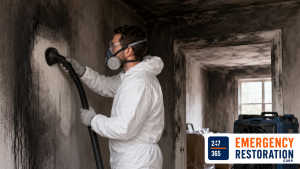
If mould is detected, the inspector will recommend the appropriate remediation plan. Professional mould removal may include containment, HEPA air filtration, removal of contaminated materials, thorough cleaning, drying, and addressing the underlying moisture source to prevent future growth.
50+ Restoration, Environmental, Inspection & Property Maintenance Services – 24/7 Across Southern Ontario