- Available 24/7 — 365 Days a Year
- Toronto & All GTA — Southern Ontario
- IICRC Certified · Insurance Approved
- Residential & Commercial Services

CALL NOW
(416) 657-2222

(416) 657-2222
patio leak emergency
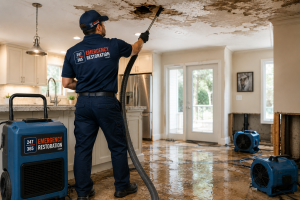
A patio water leak might not seem serious at first — but it can quickly cause basement flooding, foundation damage, mold growth, and long-term structural issues if left untreated. In this real-life restoration showcase, see how 247-365 Restoration responds to a patio leak emergency and protects the property from further damage using professional tools, techniques, and fast response time.
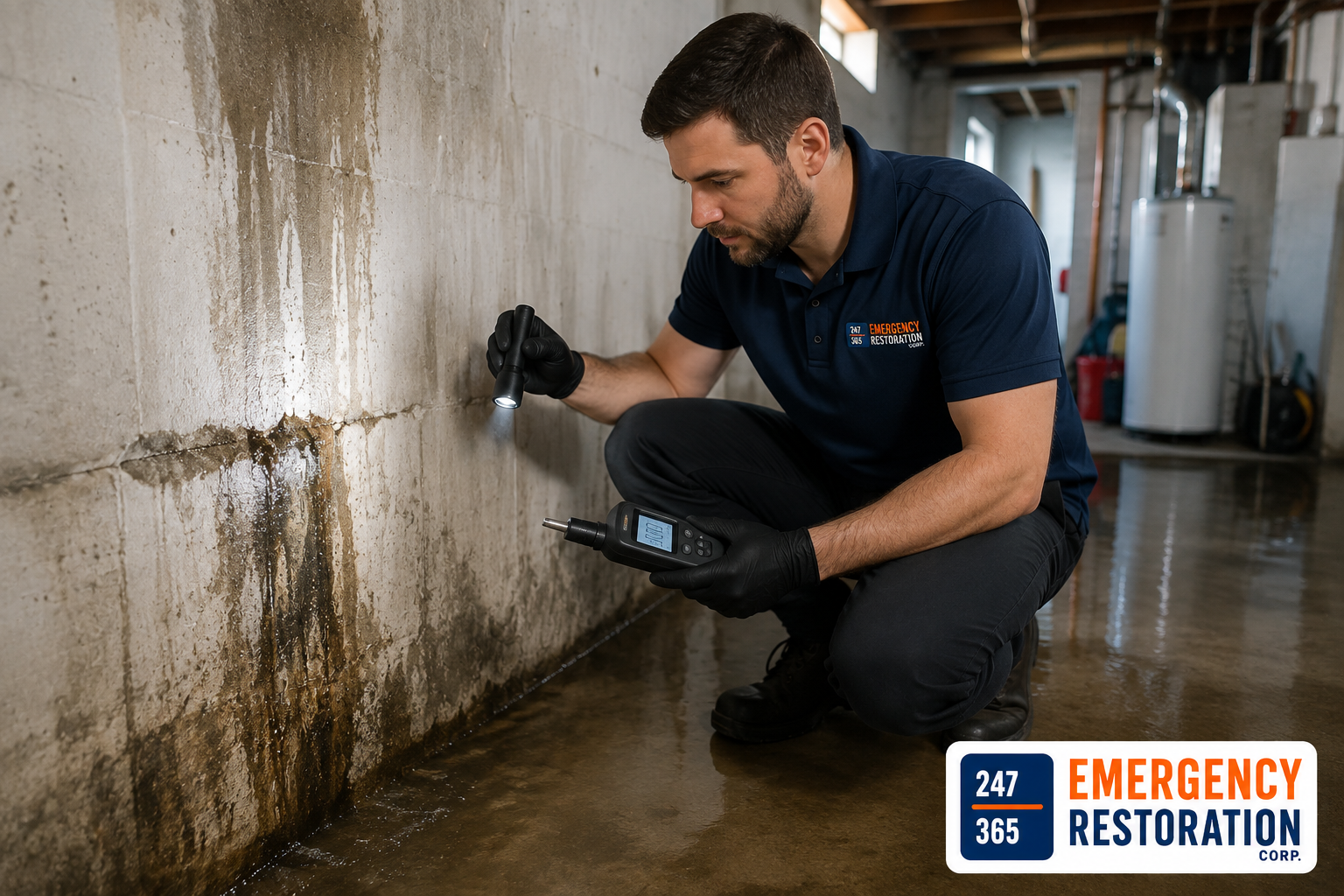
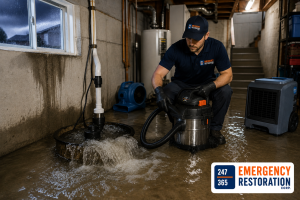
A leaking basement is one of the most common and frustrating problems homeowners face. What may begin as a small damp spot on a wall or a puddle in the corner of the basement can quickly develop into serious structural damage, mold growth, and costly repairs. Unfortunately, many people assume basement leaks are a normal part of homeownership and simply clean up the water without addressing the underlying cause.
The truth is that water entering your basement is a warning sign that something is wrong. Whether it’s a cracked foundation, poor drainage, hydrostatic pressure, or a failing sump pump, identifying the source of the leak is the first step toward protecting your home.
In this article, we’ll explain the most common causes of basement water leaks, the warning signs to watch for, and how professional waterproofing solutions can keep your basement dry year-round.
Even a small amount of water entering your basement can cause significant damage over time. Moisture weakens building materials, creates ideal conditions for mold growth, damages personal belongings, and reduces indoor air quality.
If left untreated, persistent basement leaks can affect the structural integrity of your home’s foundation and lower your property’s value.
The sooner you identify and repair the source of the leak, the easier and less expensive the restoration process will be.
There are several reasons why water may find its way into your basement. Understanding these causes can help you recognize problems before they become major repairs.
Foundation cracks are among the most common causes of basement leaks. Over time, concrete naturally expands, contracts, and settles. This movement can create small cracks that allow groundwater to seep into your basement.
Although some cracks appear minor, they often widen over time and should be professionally evaluated before they lead to larger structural issues.
Hydrostatic pressure occurs when groundwater builds up around your home’s foundation after heavy rain or snowmelt.
As water accumulates in the soil, pressure pushes against the basement walls and floor. Eventually, water finds the weakest point and begins entering through cracks, joints, or porous concrete.
Hydrostatic pressure is one of the leading causes of recurring basement leaks.
Your home’s grading should direct rainwater away from the foundation.
If the ground slopes toward the house instead, water collects around the basement walls and increases the risk of seepage.
Poor landscaping, compacted soil, and improper grading are common drainage problems that contribute to basement flooding.
Many homes have foundation drainage systems, commonly called weeping tiles or French drains.
These systems collect groundwater and direct it away from the foundation.
Over time, they may become clogged with mud, roots, or debris, preventing proper drainage and allowing water to build up around the basement walls.
Gutters and downspouts play a crucial role in protecting your foundation.
When gutters overflow or downspouts discharge water too close to the home, rainwater saturates the surrounding soil and increases hydrostatic pressure.
Cleaning gutters regularly and extending downspouts several feet away from the foundation can significantly reduce basement water problems.
Basement windows are another common entry point for water.
If window wells become clogged with leaves, dirt, or debris, rainwater cannot drain properly and may overflow into the basement.
Poorly sealed window frames can also allow moisture to enter during storms.
Homes with finished basements often rely on sump pumps to remove groundwater before it enters the living space.
If the sump pump loses power, experiences mechanical failure, or cannot keep up with heavy rainfall, water can quickly flood the basement.
Routine maintenance and battery backup systems greatly reduce this risk.
Not every basement leak originates outside the home.
Burst pipes, leaking water heaters, washing machine hoses, or damaged plumbing fixtures can release large amounts of water inside the basement.
These leaks are often mistaken for groundwater problems but require entirely different repairs.
Many basement leaks develop slowly before becoming obvious.
Watch for these common warning signs:
Recognizing these symptoms early allows homeowners to address problems before significant damage occurs.
Water intrusion affects much more than the visible basement floor.
Continuous moisture weakens concrete, wood framing, support beams, and flooring systems. Over time, this may compromise the structural stability of your home.
Mold thrives in damp environments and can begin growing within 24 to 48 hours after water intrusion.
Once mold spreads behind walls or beneath flooring, remediation becomes far more extensive and expensive.
Furniture, electronics, family heirlooms, important documents, and stored belongings are all vulnerable to water damage.
Excess moisture and mold spores circulate throughout the home, potentially triggering allergies, asthma, and respiratory problems.
Professional waterproofing addresses both the symptoms and the underlying cause of basement leaks.
Depending on the source of the problem, solutions may include:
Certified waterproofing specialists inspect the entire property to determine the most effective long-term solution.
Preventive maintenance can significantly reduce the risk of future water intrusion.
Homeowners should:
Regular inspections help identify small issues before they become expensive restoration projects.
Water leaking into your basement is never something to ignore. Whether caused by foundation cracks, hydrostatic pressure, poor drainage, sump pump failure, or plumbing issues, even a minor leak can lead to major structural damage, mold growth, and costly repairs if left untreated.
The key to protecting your home is identifying the source of the problem and taking action before the damage worsens.
If you’ve noticed water in your basement or signs of excess moisture, contact 247-365 Restoration for professional basement waterproofing, leak detection, and emergency water damage restoration services. Our experienced team provides comprehensive inspections, advanced waterproofing solutions, and 24/7 emergency response throughout Southern Ontario to keep your basement dry, safe, and protected for years to come.
Heavy rainfall increases hydrostatic pressure around your foundation, forcing water through cracks, joints, or other weak points.
Yes. Even small foundation cracks can allow water to seep into your basement during wet weather.
The best solution depends on the cause. Professional waterproofing, foundation repairs, drainage improvements, or sump pump repairs may be required.
Sometimes. Persistent moisture or recurring leaks may indicate foundation movement or structural issues that should be professionally inspected.
Yes. Occasional leaks often become more severe over time. Waterproofing helps prevent future water damage and mold growth..
50+ Restoration, Environmental, Inspection & Property Maintenance Services – 24/7 Across Southern Ontario