- Available 24/7 — 365 Days a Year
- Toronto & All GTA — Southern Ontario
- IICRC Certified · Insurance Approved
- Residential & Commercial Services
CALL NOW
(416) 657-2222
(416) 657-2222
When it comes to sewage backups, what isn’t immediately visible can cause serious property damage and health risks. Sewage water contains hazardous bacteria and contaminants that can quickly spread through furnace rooms, basements, and surrounding structures if not addressed promptly.
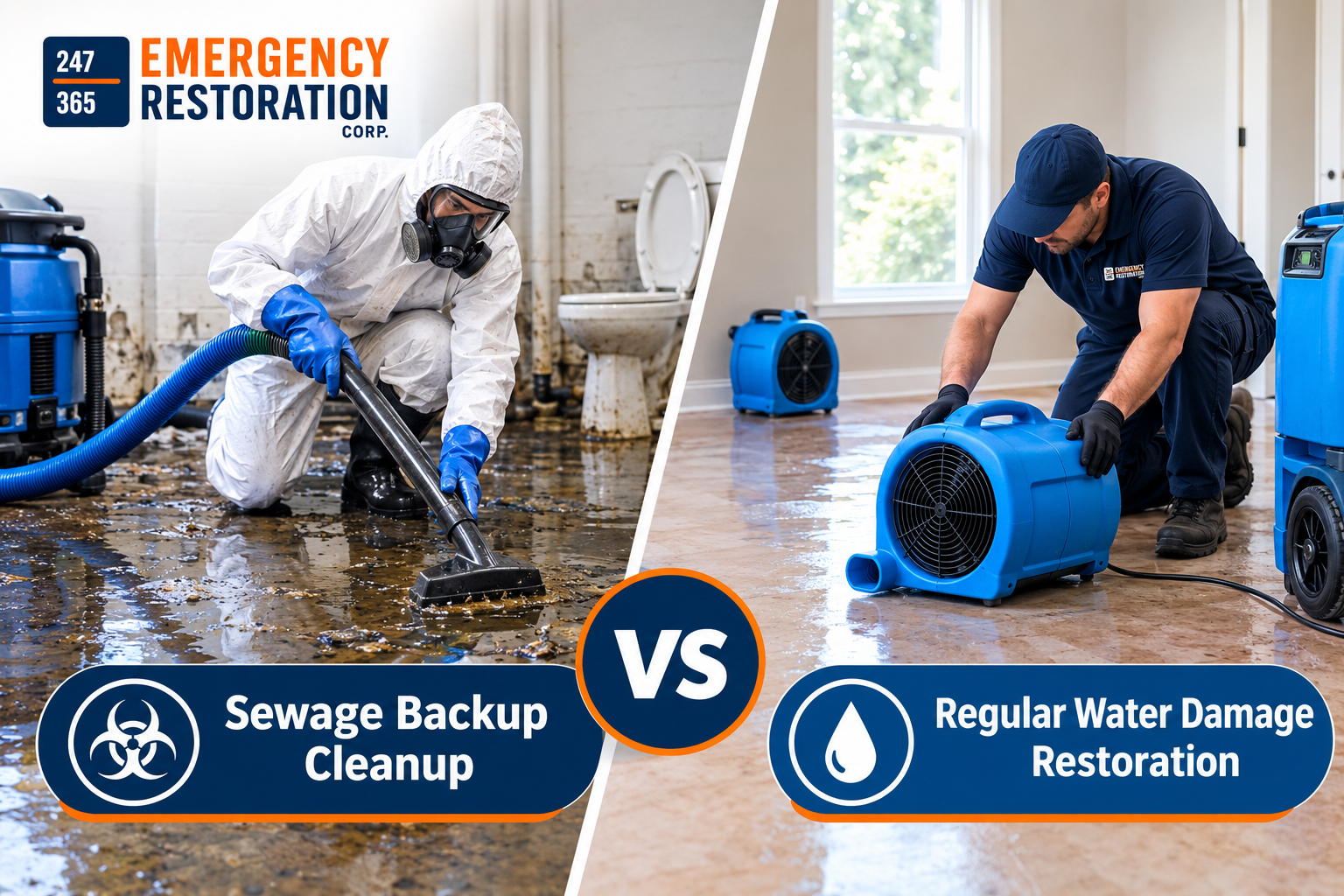
When water enters a home or business unexpectedly, fast cleanup is important. However, not all water damage is the same. A clean-water plumbing leak and a sewage backup can require very different restoration procedures. Understanding the difference between sewage backup cleanup and regular water damage restoration can help property owners respond appropriately and reduce the potential for additional damage.
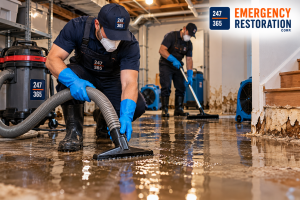
Sewage backup cleanup involves removing water contaminated with sewage, wastewater, bacteria, and other potentially harmful materials. A backup can occur when a sewer line becomes blocked, a drain system fails, or wastewater flows back into a building.
Unlike relatively clean water from certain plumbing leaks, sewage-contaminated water should be treated as a serious contamination concern. Porous materials that absorb contaminated water may need specialized cleaning, disinfection, or removal depending on the extent of the damage.
Sewage can contain microorganisms and contaminants that make direct contact unsafe. It can also spread contamination across floors, walls, furniture, and other surfaces.
Professional sewage cleanup typically focuses on several stages:
The goal is not simply to remove visible water. The affected area must also be properly cleaned and dried.
Regular water damage restoration generally addresses water intrusion from sources such as leaking pipes, appliance failures, roof leaks, or other plumbing problems. The appropriate restoration process depends on the source and condition of the water.
A typical restoration process may include water extraction, moisture assessment, structural drying, cleaning, and repairs.
Professionals may begin by identifying the source of the water and stopping additional water from entering the property. They can then assess affected rooms and materials.
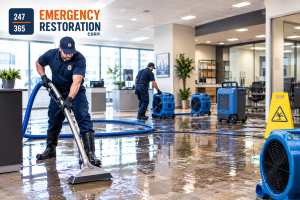
Water extraction equipment may be used to remove standing water. Air movers and dehumidifiers can help reduce remaining moisture. Technicians may also monitor moisture levels to determine whether materials are drying properly.
If materials have sustained significant damage, portions of flooring, drywall, insulation, or other components may require repair or replacement.
The primary difference is the level and type of contamination involved.
Regular water damage may involve water that has not been significantly contaminated. Sewage backups involve wastewater and require additional precautions.
Sewage cleanup involves contaminated water and potentially contaminated materials. This means technicians may need specialized protective equipment, containment procedures, cleaning products, and disposal methods.
Regular water damage restoration may primarily focus on extraction, drying, and preventing secondary damage.
Sewage cleanup generally requires more extensive cleaning and disinfection because affected surfaces may have come into contact with wastewater.
With certain types of ordinary water damage, drying and cleaning may be sufficient, depending on the water source and materials involved.
Sewage can penetrate porous materials such as carpeting, padding, drywall, insulation, and upholstered furniture. Depending on the circumstances, some materials may not be suitable for restoration and could require removal.
With ordinary water damage, more materials may be candidates for drying and restoration, depending on how long they have been wet and the condition of the materials.
Sewage cleanup requires additional precautions because of possible biological contamination. Professionals may use protective clothing, gloves, respiratory protection, containment, and specialized cleaning procedures.
This makes sewage cleanup different from a standard water extraction project.
Attempting to clean a significant sewage backup without appropriate protective equipment and procedures can expose occupants to contaminated water and materials.
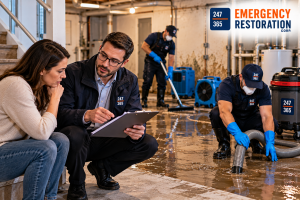
Professional restoration technicians can assess the affected areas and establish a cleanup plan based on the source, extent, and type of contamination.
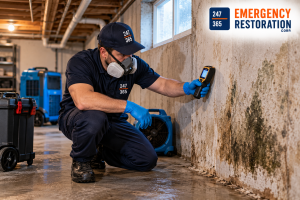
They can also identify moisture in locations that may not be immediately visible, such as underneath flooring, behind walls, or inside building materials.
Whether the problem involves sewage or ordinary water, standing water should not be left untreated. Extended moisture can damage building materials and create conditions that support mold growth.
Fast extraction can help reduce the amount of water absorbed by flooring, drywall, wood, and other materials.
For sewage backups, rapid response is especially important because contamination can spread as wastewater moves through the property.
Moisture that remains after water damage can contribute to mold growth. This can happen when wet materials are not adequately dried or when moisture remains hidden behind walls or beneath flooring.
Professional restoration may therefore include moisture monitoring and drying equipment. Addressing moisture at the source and thoroughly drying affected areas are important parts of reducing the potential for secondary damage.
Professional assistance may be appropriate when a property experiences a significant sewage backup, extensive standing water, water inside walls or flooring, or damage affecting multiple rooms.
Property owners should also consider professional assessment when the source of the water is uncertain or when moisture remains after an initial cleanup.
For a sewage backup, keeping people and pets away from contaminated areas until the area can be properly assessed is a sensible precaution.
Regular property maintenance can help identify potential problems before they become major restoration projects.
Property owners can:
Preventive maintenance does not eliminate the possibility of water damage, but it can help identify some problems earlier.
Sewage cleanup deals with wastewater that may contain biological contaminants and therefore requires additional safety, cleaning, and disinfection procedures. Regular water damage restoration depends on the source and condition of the water and may focus primarily on extraction, drying, cleaning, and repairs.
Yes. A sewage backup is a type of water damage, but it involves contaminated water and therefore requires different cleanup considerations than many other water-loss situations.
Small situations may appear manageable, but significant sewage contamination can require protective equipment, proper containment, disinfection, and safe disposal of damaged materials. Professional assessment is appropriate when contamination is extensive or affects building materials.
The duration depends on the size of the affected area, amount of contamination, materials involved, water absorption, and drying requirements. A small affected area may be addressed relatively quickly, while extensive damage can require several stages of cleanup and restoration.
Water extraction removes standing water, while sewage cleanup also addresses contamination. Depending on the situation, sewage restoration can involve containment, removal of contaminated materials, cleaning, disinfection, drying, and moisture monitoring.
50+ Restoration, Environmental, Inspection & Property Maintenance Services – 24/7 Across Southern Ontario