- Available 24/7 — 365 Days a Year
- Toronto & All GTA — Southern Ontario
- IICRC Certified · Insurance Approved
- Residential & Commercial Services

CALL NOW
(416) 657-2222
(416) 657-2222
How Commercial Flood Cleanup Helps Businesses Reopen Faster?
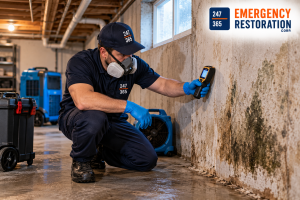
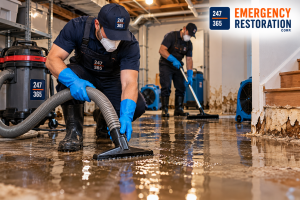
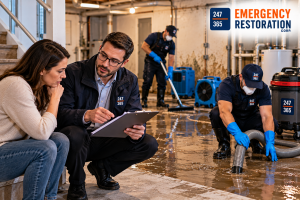
When a hot water tank bursts, damage can escalate within minutes — flooding basements and soaking floors, drywall, and structural materials before you even realize what’s happening. In this real restoration showcase, 247-365 Restoration responds to an emergency flooded basement caused by a burst hot water tank. The video captures our team on site, assessing the damage, removing affected materials, extracting standing water, and setting up professional drying equipment to stabilize the property and prevent secondary issues such as mould growth.
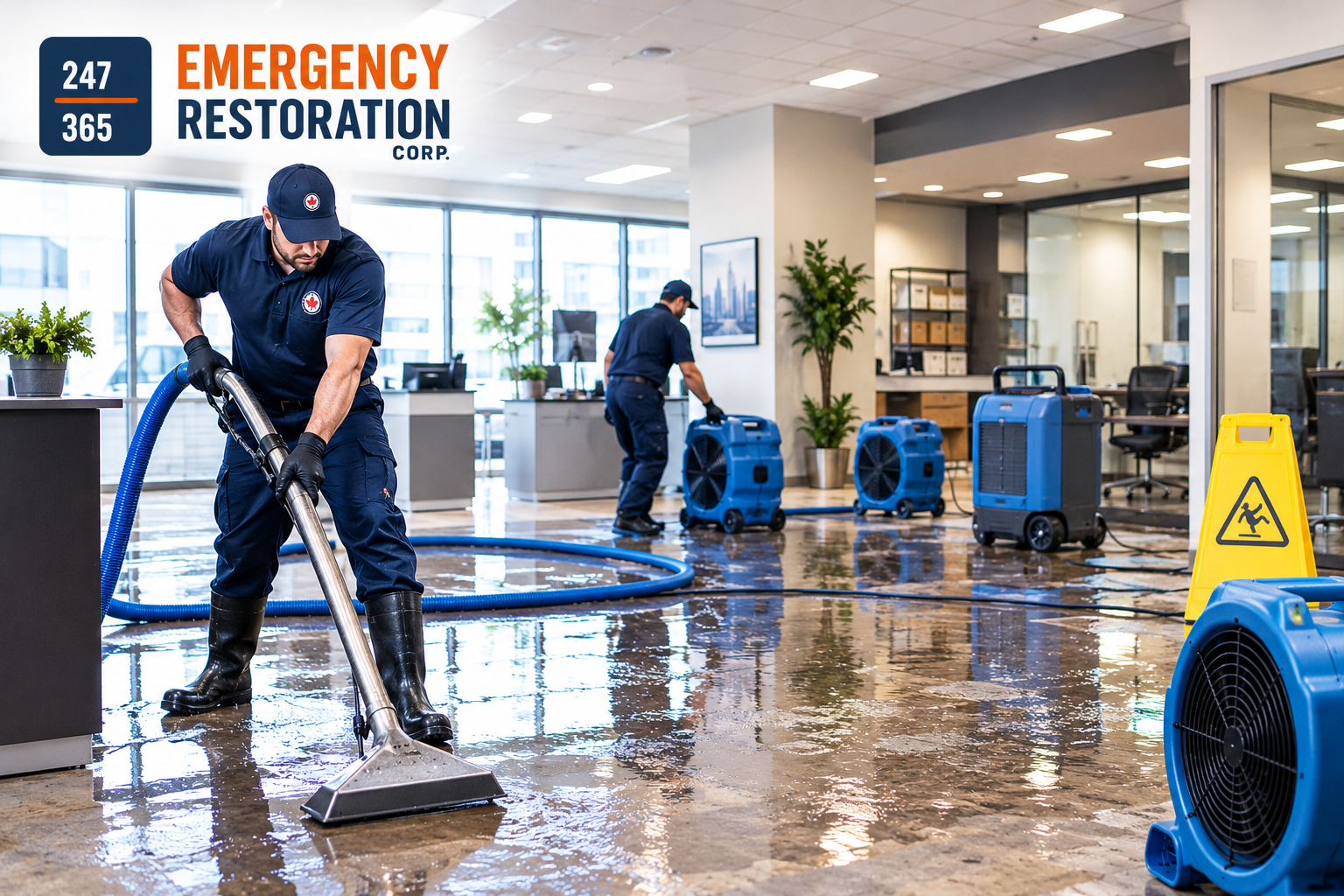
Flooding can disrupt business operations, damage valuable equipment, destroy inventory, and create safety concerns for employees and customers. Whether water enters an office, retail store, restaurant, warehouse, or commercial building, even a few hours of downtime can lead to lost revenue and dissatisfied customers.
Commercial flood cleanup helps businesses recover faster by removing standing water, drying affected areas, preventing secondary damage, and preparing the property for safe reopening. Professional restoration services use specialized equipment and proven procedures to address water damage efficiently while helping business owners minimize operational interruptions.
Understanding the commercial flood cleanup process allows business owners and property managers to make informed decisions during an emergency and reduce the long-term impact of flooding.
Understanding Commercial Flood Damage
Why Fast Flood Cleanup Matters for Businesses
How Professional Commercial Flood Cleanup Works
Benefits of Hiring a Professional Restoration Company
Common Challenges During Business Flood Recovery
How Businesses Can Prepare for Future Flooding
Frequently Asked Questions
Commercial flood damage occurs when unwanted water enters a business property and affects its structure, equipment, inventory, or interior spaces. Flooding can result from heavy rainfall, plumbing failures, roof leaks, overflowing drains, sewer backups, or malfunctioning sprinkler systems.
The impact depends on the amount of water, its contamination level, and how long affected materials remain wet.
For example, flooding in an office may damage carpets, computers, electrical equipment, and important documents. In a retail store, water can destroy merchandise, shelving, and point-of-sale systems. Warehouses may experience inventory losses, damaged machinery, and interruptions to shipping operations.
Commercial flooding can also affect drywall, insulation, flooring, ceilings, and structural components. If moisture remains trapped inside these materials, mould growth and material deterioration may follow.
Because every commercial property has different needs, an effective restoration plan should consider the building layout, the type of business, the extent of the damage, and the requirements for reopening.
One of the most important benefits of rapid flood cleanup is reducing the time a business must remain closed or operate with limited capacity.
Standing water can make workspaces unsafe and prevent employees from accessing essential equipment or customer areas. Professional restoration teams can begin water extraction and drying promptly, helping businesses move toward recovery sooner.
Although reopening times vary, an organized response can reduce avoidable delays.
Water damage can worsen when cleanup is postponed. Moisture may spread into flooring, walls, insulation, and other building materials, increasing the scope of necessary repairs.
Prompt extraction and professional drying help limit this damage. Restoration technicians can also use moisture meters and other inspection tools to identify damp areas that are not immediately visible.
Moist environments can support mould growth, particularly when building materials remain damp for extended periods. Mould may affect indoor air quality, damage materials, and require additional remediation.
Professional flood cleanup focuses on removing moisture and monitoring drying progress. If mould is already present, separate or additional remediation may be required.
Commercial properties often contain expensive equipment, electronic devices, documents, stock, and specialized machinery. Prompt assessment can help identify which items may be safely recovered and which require replacement.
Restoration professionals can recommend appropriate handling, cleaning, drying, and recovery procedures based on the materials involved and the contamination level.
Delays can allow damage to spread and increase repair requirements. Fast action may reduce the need for extensive material removal, replacement, and additional restoration work.
While emergency services involve an upfront cost, addressing damage early can help limit further losses. The overall savings depend on the severity of the incident and the condition of the property.
A structured restoration process helps businesses address immediate hazards and move efficiently toward reopening.
The restoration team inspects the affected areas to determine the source of the water, the extent of the damage, and any immediate hazards.
Potential concerns include electrical dangers, unstable building materials, contaminated water, and damaged equipment. If flooding involves sewage or potentially hazardous water, specialized precautions are necessary.
The business owner or property manager should also contact relevant utility providers, building management, and insurance representatives when appropriate.
Standing water must be removed before effective structural drying can begin.
Commercial restoration professionals use suitable pumps, extraction vacuums, and other specialized equipment to remove water from floors, basements, storage areas, and other affected spaces.
Rapid extraction helps reduce the amount of time materials remain saturated and allows technicians to assess the underlying damage more accurately.
Some materials may be salvageable, while others may require removal. Waterlogged insulation, damaged drywall, contaminated carpeting, and unsalvageable inventory may need to be discarded.
The decision depends on the water source, contamination level, material condition, and applicable safety requirements.
Removing unsalvageable materials helps create a suitable environment for cleaning, drying, and repairs.
Floodwater is not always clean. Depending on its source, it may contain bacteria, chemicals, debris, or sewage.
Technicians determine the appropriate cleaning and disinfection procedures based on the contamination risk. Areas affected by sewage or other hazardous contaminants require specialized handling rather than ordinary surface cleaning.
After water extraction, moisture may remain inside walls, floors, ceilings, and other building components.
Commercial air movers and dehumidifiers help remove residual moisture. Technicians monitor drying progress using moisture detection equipment and adjust the drying setup as needed.
Thorough drying is essential because visible standing water may disappear before hidden moisture has been eliminated.
Once affected areas have been cleaned and dried appropriately, repairs can begin. Depending on the damage, this may involve replacing drywall, repairing flooring, repainting walls, restoring fixtures, or coordinating electrical and plumbing work.
The restoration team can help prioritize critical areas so businesses can plan their recovery more effectively.
Before reopening, business owners should confirm that affected areas are safe for employees and customers. This may involve completing repairs, checking relevant building systems, addressing contamination concerns, and meeting applicable inspection or regulatory requirements.
A restoration company can support the process, but reopening should depend on the property’s actual condition and any required approvals.
Professional commercial flood cleanup offers several advantages over an improvised response.
Specialized equipment: Industrial extraction systems, air movers, dehumidifiers, and moisture meters help technicians manage extensive water damage.
Experienced assessment: Trained professionals can identify hidden moisture, damaged materials, and potential contamination concerns.
Coordinated recovery: A structured restoration plan helps business owners understand the necessary work and prioritize essential areas.
Reduced disruption: Efficient water removal, drying, and repair coordination can help limit interruptions to normal operations.
Documentation support: Photographs, moisture readings, and records of completed work may assist with insurance discussions. Coverage decisions remain subject to the insurance policy and insurer’s requirements.
When choosing a restoration provider, businesses should look for relevant experience, appropriate insurance, suitable training, clear communication, and the ability to respond to commercial emergencies.
Even with professional assistance, some incidents present additional challenges.
Large commercial buildings may require extensive drying and inspection. Water can spread beneath flooring or into concealed wall cavities, making the full extent of damage difficult to identify initially.
Businesses may also need to protect unaffected inventory, relocate employees, arrange temporary operating spaces, or coordinate repairs with landlords and insurers.
Contaminated water creates additional complexity because affected materials may require specialized cleaning or disposal. Electrical systems and sensitive equipment may need assessment by qualified professionals before they can be used again.
Clear communication between business owners, restoration technicians, contractors, and insurance representatives can help keep recovery organized and reduce unnecessary delays.
Preparation can make a significant difference when flooding occurs.
Businesses should consider the following preventive measures:
Inspect plumbing systems, roofs, gutters, and drainage systems regularly.
Install appropriate leak detection devices in vulnerable areas.
Keep important documents and essential equipment away from potential flood zones.
Maintain secure backups of digital business records.
Develop an emergency response plan with employee responsibilities.
Identify suppliers and professional restoration providers before an emergency occurs.
Review insurance coverage for water damage, sewer backup, and flooding.
Keep emergency contact information accessible to management.
Store valuable inventory on suitable elevated shelving where practical.
Inspect the property after severe weather and address water intrusion promptly.
A documented recovery plan can help management make decisions faster and communicate effectively with employees, customers, and suppliers.
Commercial flood cleanup removes standing water, dries affected areas, addresses contamination, and supports necessary repairs. Professional restoration helps reduce downtime and prepares the property for safe reopening.
Cleanup should begin as soon as it is safe. Rapid water extraction and drying help minimize structural damage, protect business assets, and reduce the risk of mould growth.
The timeline depends on the size of the affected area, the amount of water, contamination levels, and the extent of structural damage. Minor incidents may take a few days, while extensive flooding may require several weeks.
Yes, in some cases. Businesses may continue operating in unaffected areas if they are safe and properly separated from restoration work. Extensive flooding, electrical hazards, or contaminated water may require temporary closure.
Professional restoration teams use water extraction pumps, commercial vacuums, industrial air movers, dehumidifiers, and moisture detection equipment to remove water and dry affected building materials.
50+ Restoration, Environmental, Inspection & Property Maintenance Services – 24/7 Across Southern Ontario