- Available 24/7 — 365 Days a Year
- Toronto & All GTA — Southern Ontario
- IICRC Certified · Insurance Approved
- Residential & Commercial Services

CALL NOW
(416) 657-2222
(416) 657-2222
When water starts dripping from your ceiling, time is everything. In this video, watch our expert crew at 247-365 Restoration respond to a real roof leak emergency—from initial inspection to damage control and complete repair.
Water leaks can start small, but even a minor leak can become a major property problem when it remains hidden. Leaking pipes, damaged plumbing connections, roof-related water intrusion, and appliance leaks can introduce moisture into floors, walls, ceilings, and other building materials. For property owners, identifying the source early can help limit water damage and reduce the need for extensive repairs.
Residential and commercial leak detection uses inspection techniques and specialized equipment to locate visible and hidden sources of water. While the basic goal is the same in both settings, residential and commercial properties can have very different plumbing systems, layouts, and water-use patterns. Understanding how professional leak detection works can help property owners recognize warning signs and respond appropriately.
Leak detection is the process of identifying the location and source of unwanted water entering or escaping from a plumbing or building system. Some leaks are easy to find, such as a dripping faucet or visibly damaged supply line. Others can occur behind walls, beneath floors, inside ceilings, or in areas that are difficult to access.
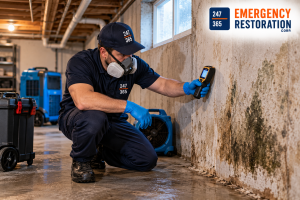
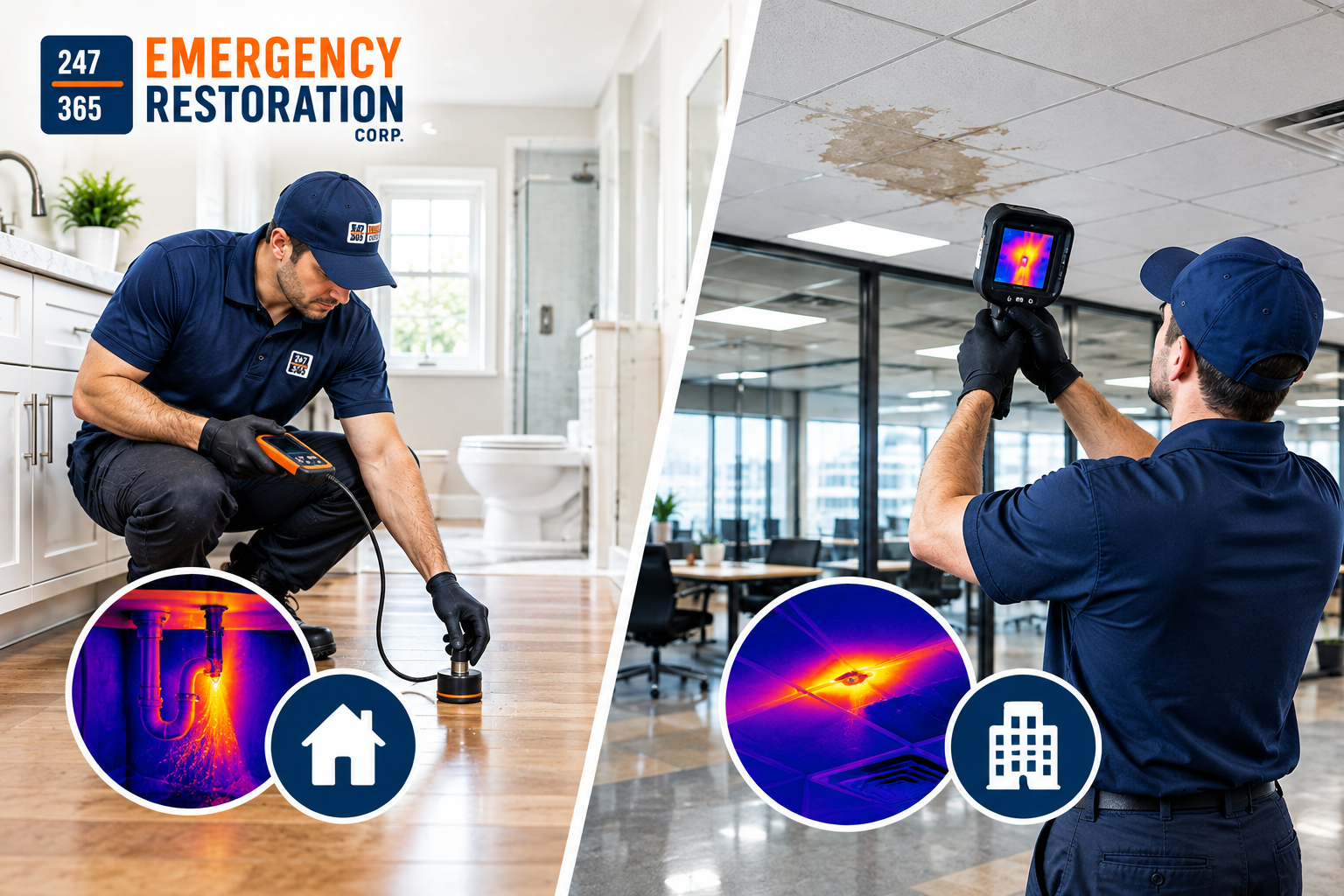
Professional technicians may use moisture meters, thermal imaging cameras, acoustic equipment, and visual inspections to investigate potential leaks. The equipment used depends on the property and the suspected source of the problem.
The objective is to locate the source while limiting unnecessary damage to walls, floors, ceilings, and other building materials.
A hidden leak can continue releasing water for days or even longer before becoming obvious. During that time, moisture may spread through surrounding materials.
Early detection can help property owners identify problems before they develop into more extensive water damage. It can also help determine whether a visible stain or damp area is actually connected to a hidden plumbing problem.
Common reasons to investigate a possible leak include:
Some leaks produce obvious signs, while others are much more difficult to identify.
A sudden increase in water usage without a corresponding change in occupancy or water consumption can indicate a plumbing issue. It does not necessarily prove that a leak exists, but it can be a reason to investigate.
Brown or yellow ceiling stains, damp drywall, bubbling paint, and warped flooring can indicate moisture intrusion. The visible damage may not be directly above the actual source of the leak.
Persistent musty odors can occur in areas where moisture has accumulated. If an odor continues after normal cleaning, property owners may want to investigate whether hidden moisture is present.
Hearing water movement when faucets, appliances, and other fixtures are turned off can be another reason to investigate the plumbing system.
Residential properties commonly have plumbing systems distributed throughout kitchens, bathrooms, laundry rooms, basements, and utility areas. Leaks can occur around fixtures, supply lines, drains, water heaters, and concealed pipes.
A residential inspection may focus on areas where moisture is visible or where the homeowner has noticed unusual signs.
Technicians can use moisture detection equipment to determine whether water is present inside building materials. Thermal imaging may also help identify temperature differences associated with moisture or water movement.
Finding the source early can help homeowners address the underlying problem before damage spreads to additional areas.
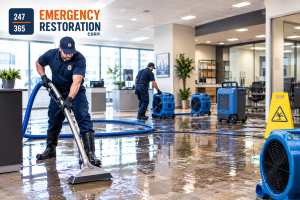
Commercial buildings can present additional challenges because they may contain larger plumbing systems, multiple floors, mechanical rooms, restrooms, kitchens, sprinkler systems, and other water-related infrastructure.
A leak in a commercial property can affect offices, retail spaces, warehouses, apartment buildings, or other occupied areas. Depending on the location, water can potentially disrupt business operations or damage equipment and inventory.
Commercial leak detection may therefore require a systematic inspection of affected areas and consideration of how water is moving through the building.
Professional technicians may use several methods depending on the suspected leak.
Moisture meters can help identify elevated moisture levels in materials such as drywall, wood, and flooring. This can help technicians determine the extent of a moisture problem.
Thermal cameras can display temperature variations across surfaces. When used correctly, thermal imaging can help identify areas that warrant further investigation.
Some specialized equipment can detect sounds associated with pressurized water escaping from pipes. This method can be useful when a leak is hidden beneath floors or behind walls.
Technology is useful, but visual inspection remains an important part of leak detection. Technicians can examine plumbing connections, fixtures, ceilings, walls, flooring, and other areas for signs of water intrusion.
Often, several inspection methods are used together rather than relying on a single device.
The longer a leak continues, the more opportunity there is for moisture to affect surrounding materials. Water can move through drywall, insulation, wood framing, flooring, and other components.
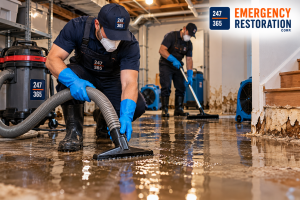
Identifying the source allows the property owner to address the plumbing or building problem. If water damage has already occurred, additional restoration may be necessary to remove moisture and dry affected materials.
Leak detection is therefore often an important first step when unexplained moisture is discovered.
The principles of leak detection are similar in both property types, but the inspection environment can be different.
Residential properties are often smaller and may have easier access to plumbing fixtures and utility areas. Commercial buildings can involve larger systems, multiple occupants, complex layouts, and equipment that must remain operational.
Commercial inspections may also require greater attention to minimizing disruption to employees, customers, tenants, or business operations.
Regardless of property type, the goal is to identify the source and extent of the water problem so the appropriate repairs can be planned.
Property owners should consider professional leak detection when the source of moisture is unclear, water damage repeatedly appears, or signs of a hidden leak continue despite basic repairs.
Professional inspection can also be useful when moisture is suspected behind walls, beneath flooring, or in ceilings where direct visual inspection is difficult.
If a significant leak is actively releasing water, the first priority should be to stop the water source when it can be done safely and then arrange an appropriate inspection.
Regular maintenance can help property owners identify potential plumbing problems before they become significant.
Useful maintenance steps include inspecting visible plumbing connections, checking appliances and supply lines, monitoring water usage, addressing dripping fixtures, and investigating unexplained moisture promptly.
Commercial property owners may also benefit from scheduled inspections of plumbing and mechanical areas, particularly in older buildings or properties with complex water systems.
Residential and commercial leak detection is the process of locating visible or hidden water leaks in homes and commercial buildings. Professionals may use visual inspections, moisture meters, thermal imaging, and other specialized equipment.
Common signs include unexplained increases in water usage, damp walls or ceilings, water stains, musty odors, warped flooring, peeling paint, and sounds of running water when fixtures are turned off.
Yes. Depending on the situation, professionals may use moisture meters, thermal imaging, acoustic equipment, and other inspection methods to investigate suspected leaks behind walls without immediately opening large sections of the wall.
The basic principles are similar, but commercial properties can have larger and more complex plumbing systems. Multiple floors, mechanical rooms, occupied spaces, and business operations can make commercial leak detection more involved.
Early detection can help property owners identify the source of unwanted water before moisture spreads to additional building materials. Addressing the source promptly may help reduce the potential extent of water damage and subsequent restoration work.
50+ Restoration, Environmental, Inspection & Property Maintenance Services – 24/7 Across Southern Ontario