- Available 24/7 — 365 Days a Year
- Toronto & All GTA — Southern Ontario
- IICRC Certified · Insurance Approved
- Residential & Commercial Services

CALL NOW
(416) 657-2222
(416) 657-2222
Flooded Basement After Burst Hot Water Tank | Emergency Water Damage Cleanup | 247-365 Restoration
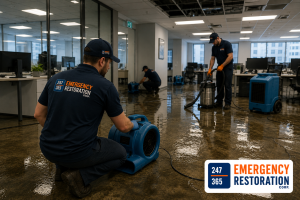
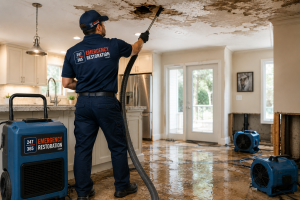
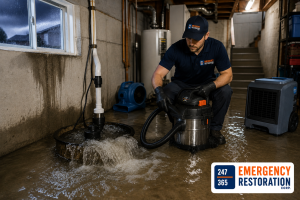
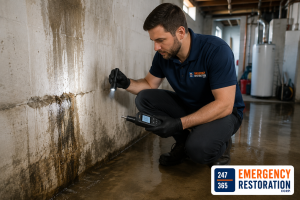
When a hot water tank bursts, damage can escalate within minutes — flooding basements and soaking floors, drywall, and structural materials before you even realize what’s happening. In this real restoration showcase, 247-365 Restoration responds to an emergency flooded basement caused by a burst hot water tank. The video captures our team on site, assessing the damage, removing affected materials, extracting standing water, and setting up professional drying equipment to stabilize the property and prevent secondary issues such as mold growth. Learn more
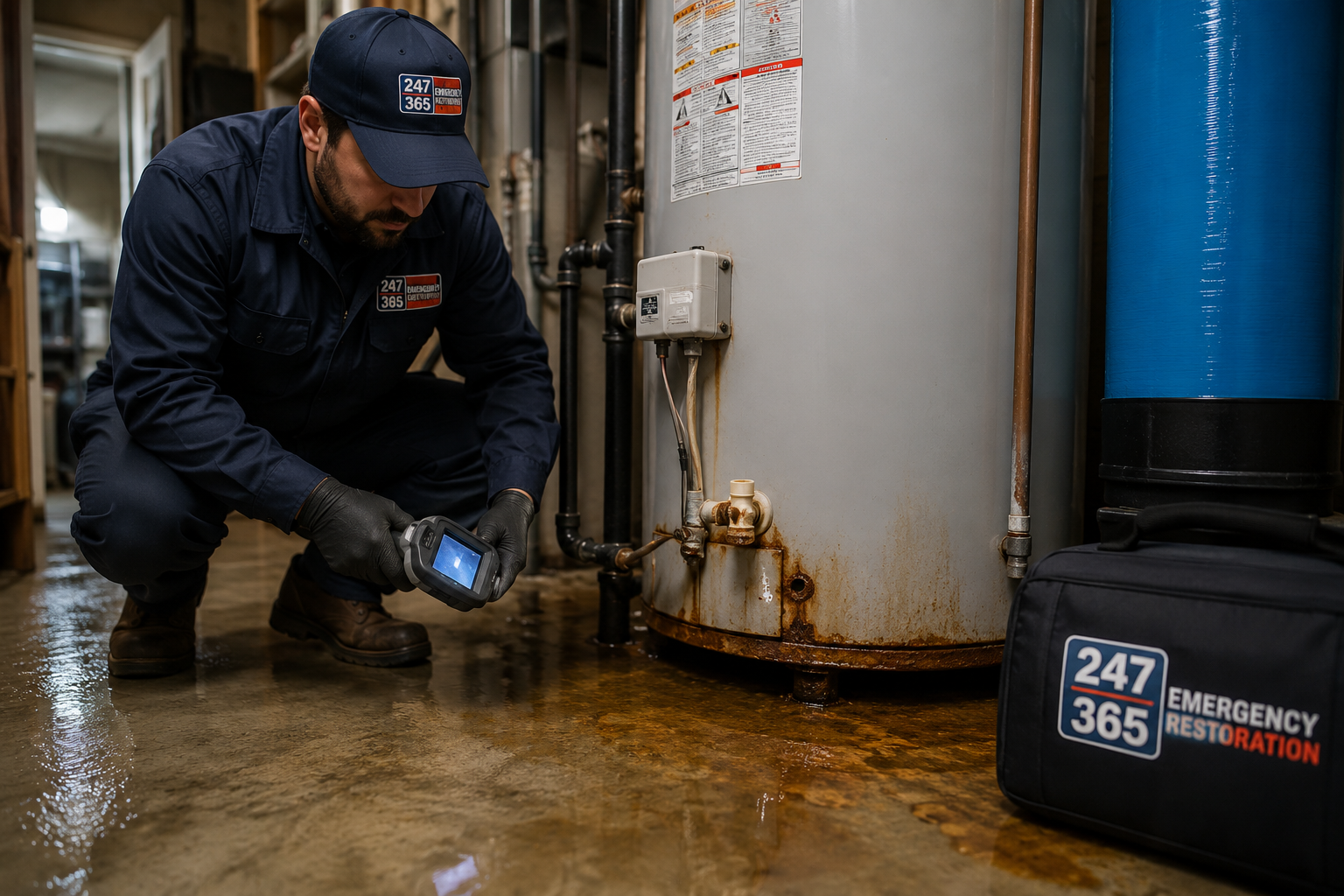
A leaking hot water tank is one of those household problems that homeowners often ignore until it turns into a costly emergency. What may begin as a few drops of water on the floor can quickly escalate into significant water damage, mold growth, damaged flooring, and even structural issues. The big question is: Should you repair your leaking hot water tank, or is it time to replace it?
The answer depends on several factors, including the source of the leak, the age of the tank, and the overall condition of the unit. Understanding these factors can help you make the right decision before a small issue becomes a major restoration project.
Not every leak means your water heater has reached the end of its life. Some leaks are relatively minor and inexpensive to repair, while others indicate that the tank itself has failed.
Water supply lines connected to the top of the tank may loosen over time because of vibration, water pressure changes, or normal wear. These leaks are usually easy for a licensed technician to repair.
The drain valve at the bottom of the tank can develop leaks due to mineral buildup or worn seals. Replacing the valve is often a simple and affordable repair.
The temperature and pressure relief valve (T&P valve) is a critical safety component. If it leaks, the issue may be caused by excessive pressure inside the tank or a faulty valve that needs replacement.
One of the most serious causes of leaks is corrosion inside the tank. Over time, the protective lining wears down, allowing rust to eat through the steel. Once the tank itself begins leaking, repairs are no longer possible.
In many situations, repairing your water heater makes financial sense.
Professional repair is often recommended when:
A qualified technician can inspect the unit and quickly determine whether a repair is safe and cost-effective.
Unfortunately, not every leaking water heater can be saved. In many cases, replacement is the safest and most economical long-term solution.
If water is coming directly from the base of the tank, internal corrosion has likely damaged the steel tank. Because the tank is sealed, this type of leak cannot be repaired.
Most traditional hot water tanks have an expected lifespan of 8 to 12 years. As they age, corrosion becomes more common, and the risk of sudden failure increases significantly.
Brown or rusty hot water often indicates corrosion inside the tank. This is usually a warning sign that the tank is nearing the end of its useful life.
If you’ve already repaired your water heater multiple times, continuing to invest in repairs may cost more than installing a new, energy-efficient unit.
Older tanks often struggle to maintain water temperature, require more energy, and increase monthly utility bills.
Many homeowners assume a small leak isn’t urgent. Unfortunately, even a slow leak can cause extensive property damage over time.
Water can spread beneath flooring, behind walls, and into nearby rooms, damaging drywall, insulation, wood framing, and personal belongings.
Moist environments create ideal conditions for mold. Within 24 to 48 hours, mold can begin growing on damp building materials, creating potential health concerns and increasing restoration costs.
Long-term moisture exposure weakens wood framing, subfloors, and structural components, making repairs much more expensive.
A leaking tank operates less efficiently and wastes both water and energy, increasing your monthly utility bills.
A corroded tank can fail without warning, releasing dozens of gallons of water into your home within minutes. This type of failure often requires emergency water extraction, drying, and restoration services.
Many homeowners focus only on the immediate repair cost. However, it’s important to consider long-term value.
A minor repair may cost significantly less than replacing the entire system, but only if the tank is still in good condition. If your water heater is approaching the end of its lifespan, replacing it now can prevent repeated service calls, unexpected failures, and costly water damage later.
Modern water heaters are also more energy efficient, helping reduce utility costs while providing more reliable performance.
Professional inspection is the safest way to determine whether repair or replacement is appropriate.
A qualified technician will:
This thorough assessment helps homeowners avoid unnecessary expenses while protecting their property from further damage.
Although no water heater lasts forever, regular maintenance can extend its lifespan.
Helpful maintenance tips include:
Preventive maintenance can significantly reduce the risk of unexpected failures and costly emergency repairs.
When a hot water tank begins leaking, every minute matters. Delaying repairs can allow water to spread throughout your home, increasing restoration costs and the risk of mold growth.
At 247-365 Restoration, our experienced team provides fast emergency response, professional leak assessment, water extraction, structural drying, and complete water damage restoration throughout Toronto and the GTA.
Whether your water heater needs a simple repair or immediate replacement, we’re available 24 hours a day, 7 days a week to help protect your property.
A leaking hot water tank should never be ignored. While some leaks can be repaired quickly and affordably, others indicate that the tank has reached the end of its service life. Knowing the warning signs can help you avoid costly water damage and make the best long-term decision for your home.
If you’re unsure whether your hot water tank should be repaired or replaced, contact a qualified professional for a thorough inspection. Acting early can save you thousands of dollars in future repairs and help keep your home safe, dry, and comfortable.
If your hot water tank is leaking, don’t wait for the damage to spread. 247-365 Restoration provides 24/7 emergency hot water tank leak repair, water extraction, drying, and water damage restoration services across Toronto and the GTA.
📞 Call us today: 416-657-2222
🌐 Learn more: https://247-365.ca
Yes. Minor leaks caused by valves or pipe connections can often be repaired. However, leaks from the tank itself usually require replacement.
If your tank is over 10 years old, leaking from the bottom, producing rusty water, or requiring frequent repairs, replacement is often the best option.
Yes. Even a small leak can cause significant water damage, mold growth, and damage to flooring or drywall if left untreated.
Most conventional hot water tanks last between 8 and 12 years with proper maintenance.
Yes. Turn off the power (or gas supply) and shut off the water supply to reduce the risk of further damage, then contact a professional immediately
50+ Restoration, Environmental, Inspection & Property Maintenance Services – 24/7 Across Southern Ontario