- Available 24/7 — 365 Days a Year
- Toronto & All GTA — Southern Ontario
- IICRC Certified · Insurance Approved
- Residential & Commercial Services

CALL NOW
(416) 657-2222
(416) 657-2222
When a hot water tank bursts, damage can escalate within minutes — flooding basements and soaking floors, drywall, and structural materials before you even realize what’s happening. In this real restoration showcase, 247-365 Restoration responds to an emergency flooded basement caused by a burst hot water tank. The video captures our team on site, assessing the damage, removing affected materials, extracting standing water, and setting up professional drying equipment to stabilize the property and prevent secondary issues such as mould growth. This property experienced sudden basement flooding after the hot water tank failed. Water quickly spread across the floor and into surrounding areas, damaging flooring and increasing the risk of moisture-related problems. Our team was called in for emergency water damage cleanup, and this video shows the real, step-by-step restoration process. 💧 What This Video Shows Flooded basement due to hot water tank failure Water damage to flooring and interior areas Removal of water-damaged materials Professional water extraction Industrial drying and dehumidification setup ⚙️ Emergency Water Damage Cleanup Process ✔ On-site inspection and moisture assessment ✔ Rapid water extraction ✔ Removal of damaged materials ✔ Controlled drying and dehumidification ✔ Stabilization to reduce the risk of mould and further damage A fast response after a hot water tank failure is critical to limit damage and keep repair costs under control. 🧰 Why Professional Cleanup Matters Standing water and hidden moisture can continue to damage a property long after the initial flooding. Professional-grade equipment and proper drying techniques are essential to restore a safe and healthy indoor environment. 247-365 Restoration provides 24/7 emergency water damage cleanup, using advanced extraction and drying systems to protect your property when it matters most. 📍 Serving Toronto & the GTA 📞 24/7 Emergency Response: 416-657-2222 🌐 https://247-365.ca/ When a hot water tank fails, fast action makes all the difference. . . . . . #FloodedBasement #HotWaterTankFailure #BurstHotWaterTank #WaterDamageCleanup #BasementFloodCleanup #EmergencyRestoration #WaterDamageRestoration #247365Restoration #BasementWaterDamage #TorontoWaterDamage #TorontoRestorationhttps://247-365.ca/emergency-flood-cleaning-services/
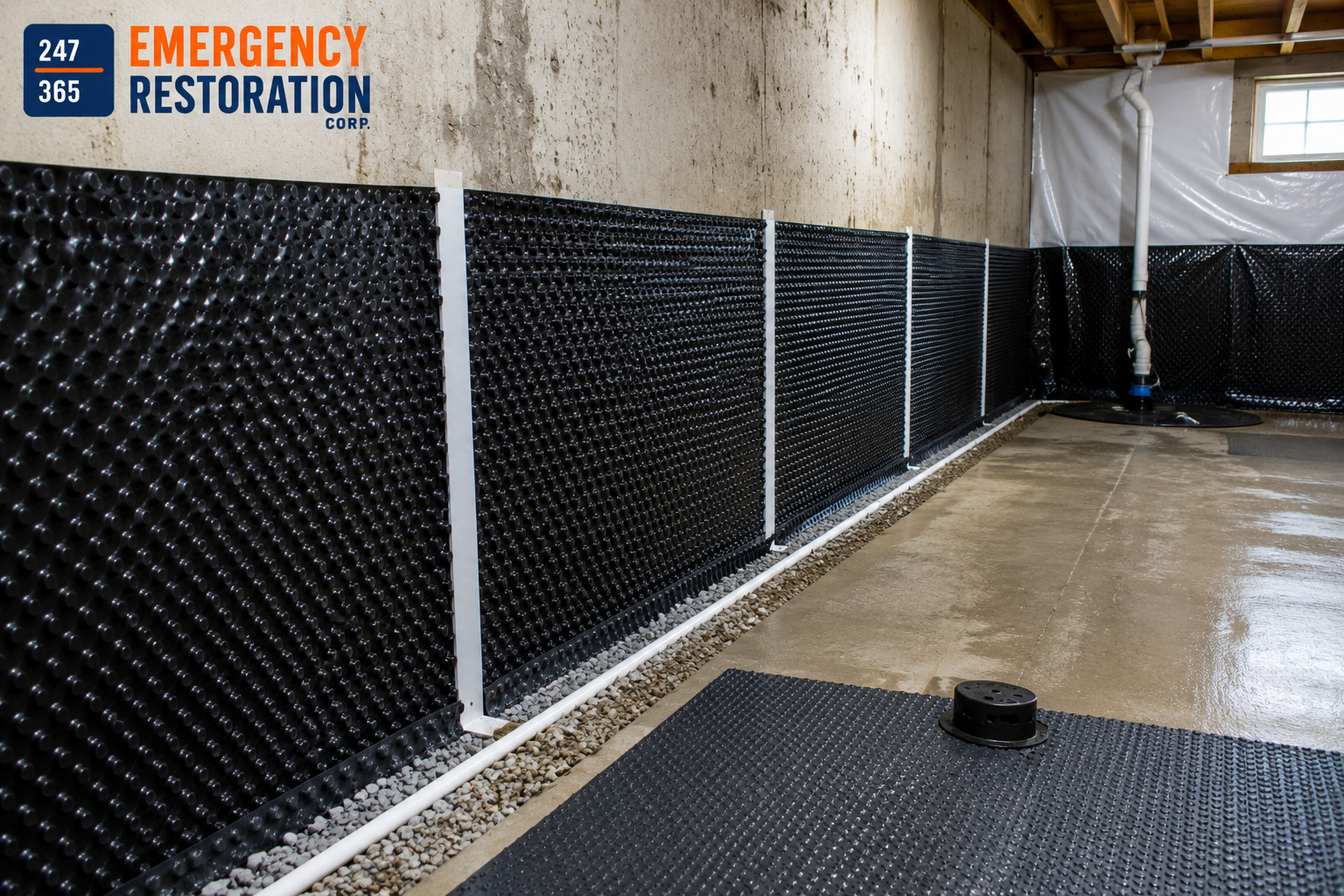
Water in your basement is more than just an inconvenience—it can lead to structural damage, mold growth, poor indoor air quality, and expensive repairs. If you’re experiencing damp walls, water seepage, or recurring leaks, you’ve probably come across two common solutions: interior basement waterproofing and exterior basement waterproofing.
But which option is better?
The answer depends on the source of the water problem, the condition of your home’s foundation, and your long-term goals. In this guide, we’ll compare both waterproofing methods, explain their advantages and disadvantages, and help you determine the best solution for protecting your property.
Your basement is constantly exposed to moisture from the surrounding soil. Heavy rainfall, melting snow, poor drainage, and hydrostatic pressure can force water through foundation cracks and porous concrete.
Without proper waterproofing, moisture can cause:
Professional basement waterproofing protects your home’s structure while preventing costly water damage in the future.
Interior basement waterproofing focuses on managing water after it enters the foundation. Instead of stopping water outside the home, this method redirects it away from your basement before it can cause significant damage.
Common interior waterproofing solutions include:
These systems collect water entering the basement and safely pump it away from the property.
Interior waterproofing offers several benefits:
For many homeowners dealing with occasional leaks or groundwater intrusion, interior waterproofing provides a practical and cost-effective solution.
Although effective, interior waterproofing does not stop water from reaching the foundation itself.
Potential limitations include:
Exterior basement waterproofing addresses water before it reaches your foundation.
This method typically involves excavating around the home’s foundation and applying protective materials designed to prevent water infiltration.
A complete exterior waterproofing system may include:
By preventing groundwater from contacting foundation walls, exterior waterproofing offers the highest level of long-term protection.
Exterior waterproofing provides numerous long-term benefits:
For homes experiencing persistent leaks or foundation issues, exterior waterproofing is often considered the most comprehensive solution.
Despite its effectiveness, exterior waterproofing has some drawbacks:
Understanding the differences between these two methods can help homeowners make informed decisions.
| Interior Waterproofing | Exterior Waterproofing |
|---|---|
| Controls water after entry | Stops water before entry |
| Lower upfront cost | Higher initial investment |
| Faster installation | Longer installation process |
| Minimal excavation | Requires excavation |
| Best for minor leaks | Best for major water problems |
| Easier maintenance | Longer-lasting protection |
Both methods are effective when installed correctly, but they solve different types of moisture problems.
There isn’t a one-size-fits-all answer.
Interior waterproofing is often recommended when:
Exterior waterproofing is generally the better option when:
A professional inspection can identify the true source of moisture and determine the most appropriate waterproofing method.
Several factors influence which waterproofing system is right for your property.
Older homes often have aging foundations and deteriorating waterproofing systems that may benefit from exterior protection.
Small leaks can often be managed from the inside, while extensive moisture problems typically require exterior waterproofing.
Clay-heavy soils retain water longer and create greater hydrostatic pressure against foundation walls.
Poor grading, clogged gutters, and improper downspout placement can increase the risk of basement water intrusion.
Interior waterproofing generally costs less initially, while exterior waterproofing offers greater long-term value through comprehensive protection.
Yes.
Many homeowners achieve the best results by combining interior and exterior waterproofing systems.
For example:
This layered approach provides maximum protection for homes located in areas with frequent rainfall or high groundwater levels.
If you notice any of the following signs, it’s time to schedule a professional inspection:
Ignoring these warning signs can lead to expensive structural repairs and serious indoor air quality issues.
At 247-365 Restoration, we provide professional basement waterproofing solutions tailored to your property’s specific needs.
Our experienced team can:
Whether you need interior drainage systems, exterior waterproofing, or a complete waterproofing strategy, we’re committed to delivering reliable, long-lasting results throughout Southern Ontario.
Choosing between interior vs exterior basement waterproofing depends on the condition of your home, the source of the water intrusion, and your long-term goals.
Interior waterproofing is an excellent option for managing minor moisture issues with minimal disruption, while exterior waterproofing offers superior protection by preventing water from reaching your foundation in the first place.
The best way to determine the right solution is through a professional assessment. Investing in the proper waterproofing system today can help protect your home, preserve your foundation, and prevent costly repairs for years to come.
Water problems rarely resolve on their own. If you’ve noticed leaks, dampness, or foundation concerns, 247-365 Restoration is here to help.
Call us today at 416-657-2222 for a professional basement waterproofing inspection and discover the right solution to keep your home dry, safe, and protected.
Learn more: https://247-365.ca/
available 24/7.
Interior basement waterproofing manages water after it enters your basement by directing it to a drainage system or sump pump. Exterior basement waterproofing prevents water from reaching your foundation by using waterproof membranes, drainage systems, and proper grading. Exterior waterproofing offers more comprehensive protection, while interior waterproofing is often a cost-effective solution for minor water issues. mould can begin growing within 24 to 48 hours.
The best option depends on your home's condition and the source of the water problem. Interior waterproofing is ideal for controlling minor leaks and reducing installation costs, while exterior waterproofing provides long-term protection by stopping water before it reaches the foundation. A professional inspection can determine the most effective solution. confirm whether mould is present.
The lifespan of a basement waterproofing system depends on the materials used and the quality of the installation. Professionally installed exterior waterproofing systems can last for decades, while interior systems also provide long-term performance when properly maintained.
Yes. Although exterior basement waterproofing requires a higher upfront investment, it helps protect your home's foundation, reduces the risk of structural damage, prevents mold growth, and can increase your property's value over the long term.
You should contact a professional if you notice water seepage, damp basement walls, musty odors, foundation cracks, mold growth, standing water, or recurring leaks. Early intervention can prevent costly repairs and protect your home from serious water damage.
Lorem ipsum dolor sit amet, consectetur adipiscing elit. Ut elit tellus, luctus nec ullamcorper mattis, pulvinar dapibus leo.
50+ Restoration, Environmental, Inspection & Property Maintenance Services – 24/7 Across Southern Ontario