- Available 24/7 — 365 Days a Year
- Toronto & All GTA — Southern Ontario
- IICRC Certified · Insurance Approved
- Residential & Commercial Services

CALL NOW
(416) 657-2222
(416) 657-2222
When a hot water tank bursts, damage can escalate within minutes — flooding basements and soaking floors, drywall, and structural materials before you even realize what’s happening.
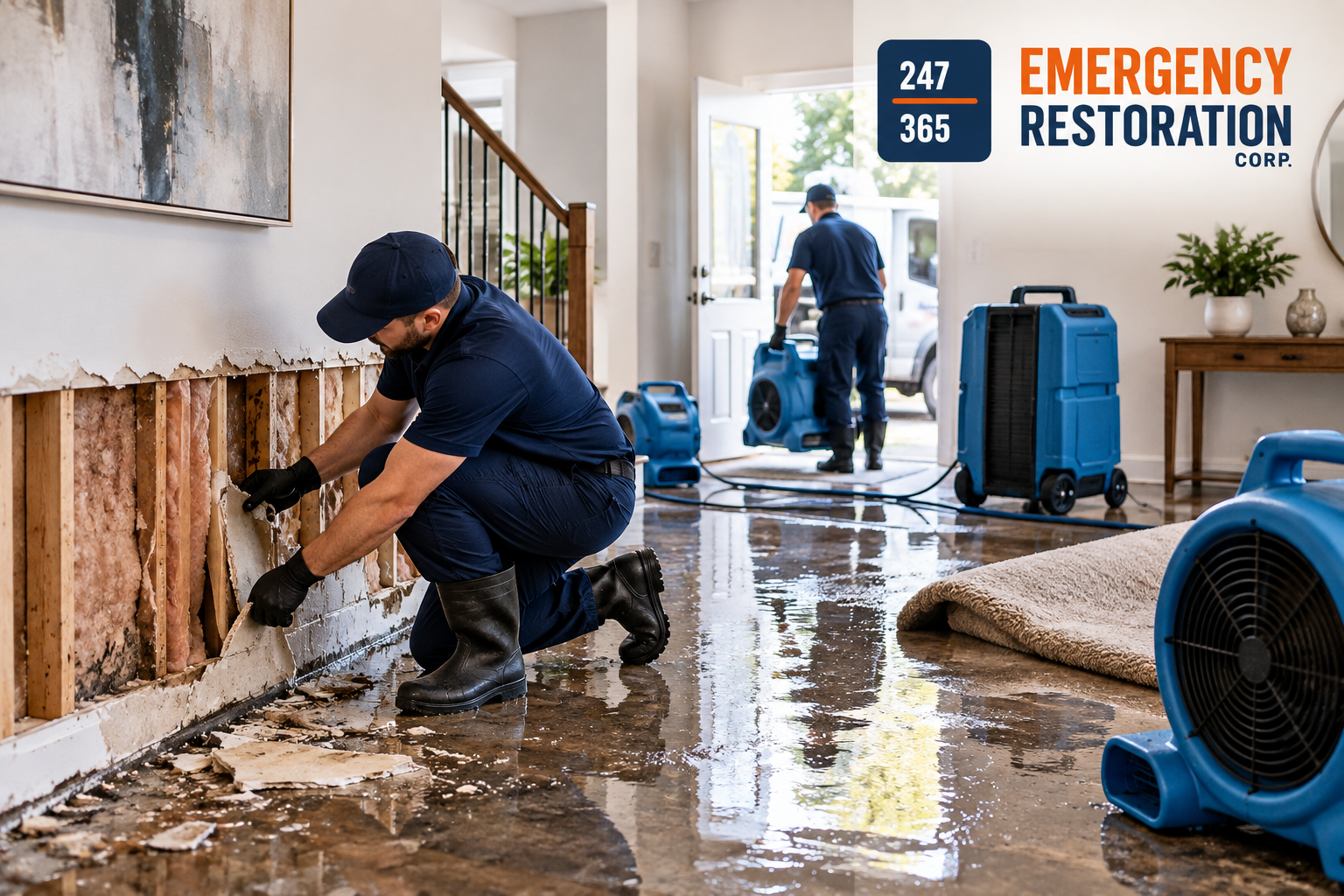
Flooding can happen unexpectedly because of severe storms, burst pipes, overflowing appliances, sewage backups, plumbing failures, or other water-related emergencies. When a property is affected by flooding, quick action is essential. Water can spread rapidly through floors, walls, ceilings, furniture, insulation, and other building materials, creating additional problems if cleanup is delayed.
Fast emergency flood cleanup helps reduce the extent of water damage, protect the property, and prevent secondary issues such as mould growth, structural deterioration, and unpleasant odors. Understanding why immediate action matters can help homeowners and property managers respond more effectively after a flood.
Standing water can continue damaging a property even after the original source of the flood has been stopped. Water can move into flooring, drywall, baseboards, cabinets, furniture, and other porous materials.
The longer these materials remain wet, the greater the potential for permanent damage. Quick water extraction and drying can help limit the amount of material that needs to be repaired or replaced.
Professional emergency flood cleanup teams can assess the affected areas, remove standing water, and begin the drying process as quickly as possible.
One of the major concerns following water damage is mould growth. Damp environments can create favorable conditions for mould to develop, particularly when moisture remains trapped inside walls, floors, ceilings, or other hidden areas.
Fast cleanup helps reduce excess moisture before it creates a larger problem. Professional restoration teams may use commercial drying equipment, air movers, dehumidifiers, and moisture monitoring tools to help identify and address wet areas.
Prompt drying is particularly important because visible surfaces may appear dry while moisture remains underneath or inside building materials.
Floodwater can affect important structural components of a property. Prolonged exposure to moisture can weaken certain materials and contribute to deterioration.
Wood flooring, subfloors, drywall, framing, insulation, and other building materials may absorb water. Depending on the extent of the damage, some materials may be restorable while others may require removal and replacement.
A professional inspection can help determine which materials have been affected and what steps are necessary to protect the property.
Floodwater can create serious electrical concerns, particularly when water reaches outlets, wiring, electrical panels, appliances, or other electrical components.
Property owners should avoid using electrical equipment in areas affected by standing water until the property has been assessed and it is safe to do so.
Fast professional response can help identify affected areas and support a safer restoration process.
Water can quickly damage furniture, clothing, documents, electronics, carpets, and other personal belongings.
Some items may be salvageable if they are removed from the affected area and dried promptly. Delays can increase the possibility of permanent staining, swelling, warping, odors, and other damage.
Professional restoration specialists can assess affected contents and determine whether cleaning, drying, restoration, or replacement is appropriate.
Floodwater can leave unpleasant odors throughout a property. Moist carpets, drywall, furniture, insulation, and other materials can develop musty smells when they remain damp.
Fast extraction and drying can help reduce the conditions that contribute to persistent odors. If odors remain after drying and cleaning, professional deodorization may be required.
Addressing moisture at its source is generally more effective than simply masking odors with household air fresheners.
The original flood may cause one type of damage, but delays can lead to additional problems. Water can migrate into areas that were not initially affected, damage finishes, cause materials to swell, and create conditions for mould growth.
Emergency flood cleanup focuses on stopping the spread of moisture and addressing affected areas as quickly as possible.
The sooner the restoration process begins, the easier it may be to identify the source and extent of the damage.
Not all water damage is visible. Moisture can become trapped behind walls, underneath flooring, inside cabinets, beneath carpets, and in other difficult-to-access areas.
Professional restoration companies may use moisture meters, thermal imaging equipment, and other inspection methods to locate areas that require additional drying.
Identifying hidden moisture is important because leaving wet materials untreated can contribute to ongoing damage and mould-related problems.
After significant water damage, property owners may need to communicate with their insurance provider. Documentation of the damage can be important during the claims process.
Photographs, videos, inspection reports, drying records, and documentation of damaged belongings may help establish the extent of the loss.
A professional restoration company can often assist with documenting affected areas and providing records related to the restoration work. Property owners should also follow the instructions provided by their insurance company.
Flood damage can disrupt normal life and make a property difficult or unsafe to use. Fast cleanup allows restoration work to begin sooner and can help property owners understand what needs to happen next.
A typical emergency water damage response may involve:
The exact process depends on the source and severity of the water damage.
When flooding occurs, safety should come first. If the area is unsafe, property owners should avoid entering it until appropriate professionals have confirmed that it is safe.
When possible and safe to do so, property owners should stop the water source, contact the appropriate emergency or utility service, document visible damage, and contact a professional water damage restoration company.
It is also important to avoid unnecessary contact with contaminated floodwater, particularly when sewage or other potentially hazardous materials may be involved.
Flood cleanup is more than simply removing visible water. A property may contain hidden moisture that requires specialized equipment and monitoring.
Professional restoration technicians can evaluate the affected areas, determine the appropriate drying strategy, and identify materials that may require cleaning, removal, or replacement.
Quick action also helps reduce the time that building materials remain exposed to moisture, which can help limit secondary damage.
It helps prevent further water damage, mould growth, and structural problems.
Cleanup should begin as soon as it is safe to access the property.
Yes. Excess moisture can create conditions that support mould growth.
Yes. Moisture can remain behind walls, under flooring, and inside other materials.
Professional restoration teams have specialized equipment to extract water, dry the property, and identify hidden moisture.
50+ Restoration, Environmental, Inspection & Property Maintenance Services – 24/7 Across Southern Ontario