- Available 24/7 — 365 Days a Year
- Toronto & All GTA — Southern Ontario
- IICRC Certified · Insurance Approved
- Residential & Commercial Services
CALL NOW
(416) 657-2222
(416) 657-2222
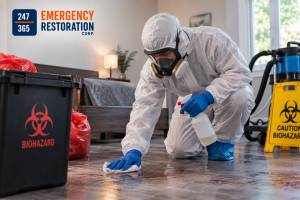
Biohazard contamination is a serious health and safety risk that requires certified expertise, strict safety protocols, and professional handling. In this real-world showcase video, 247-365 Restoration demonstrates how professional biohazard cleanup is performed — from the initial on-site assessment to final decontamination and clearance.
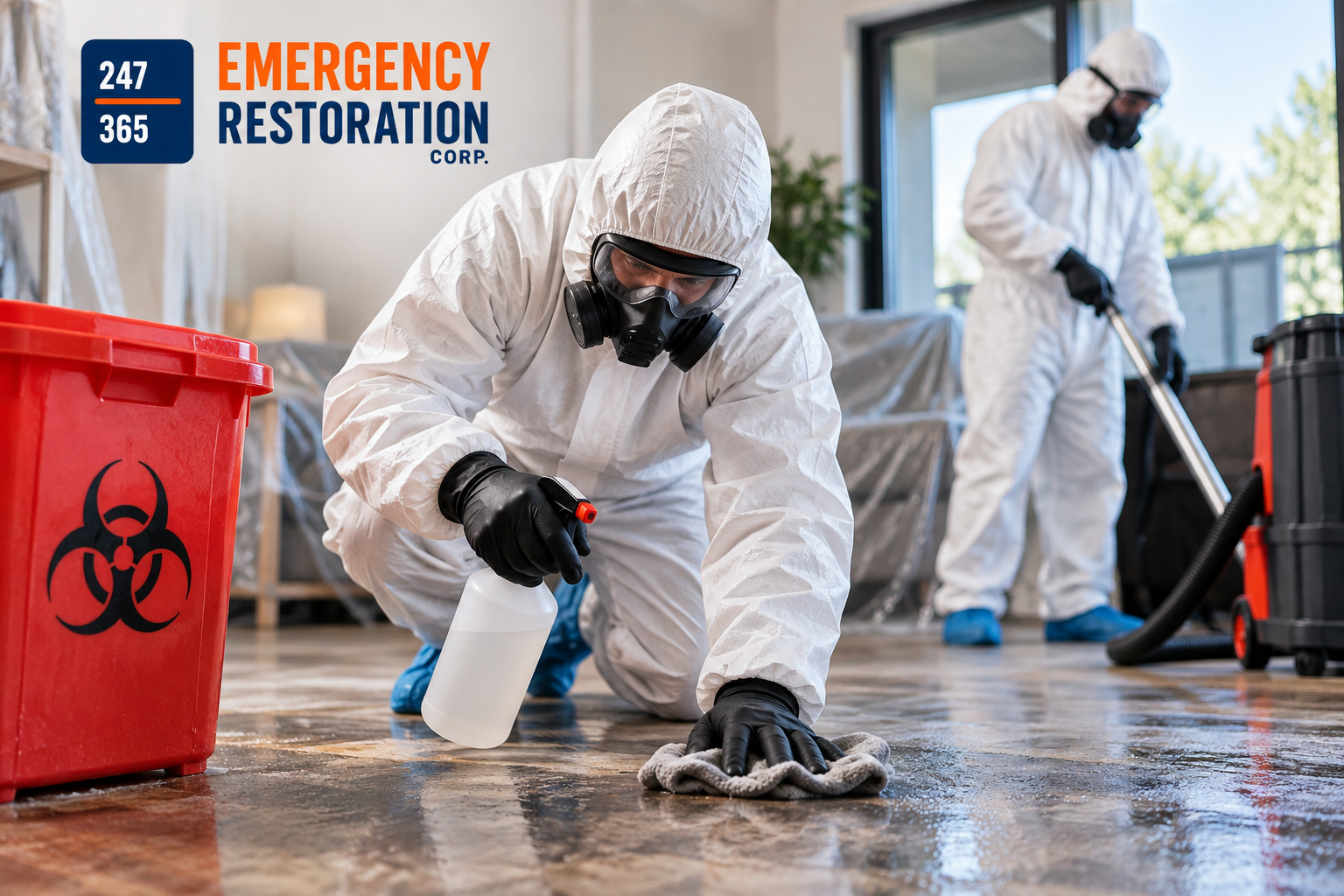
Professional biohazard cleaning is a specialized service designed to safely clean, disinfect, and restore areas affected by potentially hazardous biological materials. Unlike ordinary cleaning, biohazard cleanup requires specialized equipment, protective procedures, proper disposal methods, and trained professionals.
The cost of professional biohazard cleaning can vary significantly depending on the circumstances of each situation. Factors such as the size of the affected area, type of biohazard, contamination level, required equipment, disposal requirements, and restoration needs can all influence the final cost.
Understanding these factors can help property owners and managers know what to expect when arranging professional biohazard cleanup services.
One of the most important factors affecting the cost of biohazard cleaning is the type of contamination involved.
Biohazard situations can include blood and bodily fluids, unattended death cleanup, trauma scenes, sewage contamination, infectious materials, and other biological hazards. Different situations require different cleaning procedures, protective equipment, disinfectants, and disposal methods.
For example, a small area affected by a limited amount of contamination may require less work than a property with extensive biological contamination. The specific circumstances also determine what safety precautions and cleaning methods are appropriate.
The size of the affected area can have a direct impact on the cost of cleanup.
A small room or isolated area may require fewer personnel, less equipment, and less cleaning time. In contrast, contamination that has spread across multiple rooms, floors, or areas of a commercial property may require a larger restoration team and significantly more resources.
Professionals typically assess the affected areas before determining the scope of work. This assessment helps establish how much cleaning, disinfection, material removal, and disposal may be necessary.
Not every biohazard situation has the same level of contamination. The severity of the situation can influence both the cleaning process and the amount of time required.
If biological materials have penetrated porous surfaces such as carpeting, drywall, upholstery, or flooring, some materials may need to be removed rather than simply cleaned.
More extensive contamination may also require additional containment procedures and specialized cleaning equipment. These factors can increase the overall project cost.
Professional biohazard cleaning can take anywhere from several hours to multiple days depending on the circumstances.
The amount of time required may depend on:
The size of the affected property
The type of contamination
The severity of the contamination
The number of affected materials
Required cleaning and disinfection procedures
Disposal requirements
Restoration work
More complex projects generally require more labor, which can increase the overall cost.
Biohazard cleanup professionals need appropriate personal protective equipment, commonly referred to as PPE.
Depending on the situation, PPE may include gloves, protective clothing, eye protection, respirators, and other safety equipment. The level of protection required depends on the type and severity of the biohazard.
PPE is an important part of maintaining a safe working environment and preventing exposure during the cleanup process. The amount and type of equipment required can therefore contribute to the overall cost.
Biohazard cleanup often requires equipment beyond what is used for ordinary residential or commercial cleaning.
Professionals may use specialized cleaning tools, disinfecting products, air filtration equipment, containment materials, and other equipment depending on the situation.
Specialized equipment helps professionals safely address contamination and reduce the possibility of cross-contamination. The equipment required for a particular project can influence the total service cost.
Proper disposal is another important factor in biohazard cleaning costs.
Contaminated materials may need to be collected, packaged, transported, and disposed of according to applicable regulations. Materials such as contaminated carpeting, drywall, insulation, furniture, or other porous items may require specialized handling.
The quantity and type of contaminated waste can therefore affect the final price of a cleanup project.
In some situations, cleaning alone may not be sufficient.
Porous materials can absorb biological contaminants, making complete cleaning difficult or impossible. Depending on the circumstances, affected drywall, flooring, carpeting, insulation, upholstery, or other materials may need to be removed.
Removing these materials requires additional labor, protective equipment, transportation, and disposal. If reconstruction is necessary afterward, that can add another component to the overall restoration cost.
Biohazard incidents can sometimes leave persistent odors throughout an affected property.
Removing the source of the odor is an important part of the cleanup process. Depending on the situation, professionals may use specialized deodorization and air-cleaning methods.
The extent of odor contamination and the materials affected can influence the amount of work required.
The location of the property can also influence the cost of biohazard cleaning.
Properties that are difficult to access may require additional time or specialized procedures. For example, a contamination site located in a basement, upper floor, confined space, or area with limited access may require more effort than an easily accessible room.
Travel distance can also influence service costs depending on the company and service area.
Some biohazard situations require immediate attention. Professional companies may offer emergency services outside normal business hours, including evenings, weekends, and holidays.
Emergency response may involve additional staffing, rapid deployment of equipment, and immediate mobilization of a specialized team. As a result, after-hours or emergency services may have different pricing than standard scheduled appointments.
Biohazard cleaning and property restoration are sometimes separate stages of the same project.
After contaminated materials are removed and the affected area has been cleaned and disinfected, the property may require repairs. These could include replacing drywall, flooring, insulation, carpeting, or other damaged materials.
The need for reconstruction can significantly increase the total project cost because it involves additional materials and labor.
Biohazard cleanup is not the same as regular household cleaning. Biological contamination can create health and safety concerns if it is handled incorrectly.
Professional biohazard technicians are trained to follow appropriate procedures for containment, cleaning, disinfection, and disposal. They also use specialized equipment and protective measures to reduce exposure and cross-contamination risks.
Attempting to clean certain biohazard situations without proper training and equipment may expose occupants or other individuals to unnecessary hazards.
Because every biohazard situation is different, a professional assessment is usually the best way to determine the expected cost.
When requesting an estimate, property owners should provide as much information as possible about the situation, including the location, approximate size of the affected area, type of contamination, and whether materials have been visibly damaged.
A professional assessment can help identify the required cleaning procedures, equipment, disposal needs, and potential restoration work.
The cost varies based on the contamination type, affected area, labor, equipment, and disposal requirements
The severity of contamination, property size, materials affected, and required cleaning methods can affect the price.
Yes, contaminated materials may require specialized handling, transportation, and disposal.
Yes. Porous materials such as drywall, carpet, or insulation may need removal if they cannot be safely cleaned
Emergency or after-hours services may cost more because they require rapid response and additional resources.
50+ Restoration, Environmental, Inspection & Property Maintenance Services – 24/7 Across Southern Ontario