- Available 24/7 — 365 Days a Year
- Toronto & All GTA — Southern Ontario
- IICRC Certified · Insurance Approved
- Residential & Commercial Services
CALL NOW
(416) 657-2222
(416) 657-2222
Sewage Back up Clean up
When it comes to sewage backups, what isn’t immediately visible can cause serious property damage and health risks. Sewage water contains hazardous bacteria and contaminants that can quickly spread through furnace rooms, basements, and surrounding structures if not addressed promptly.
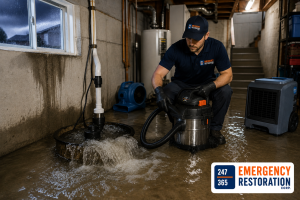
In this real restoration showcase, the 247-365 Restoration team responds to a sewage backup in a furnace room, demonstrating our step-by-step emergency sewage cleanup and restoration process designed to protect the property, restore safety, and prevent long-term structural and indoor air quality issues.
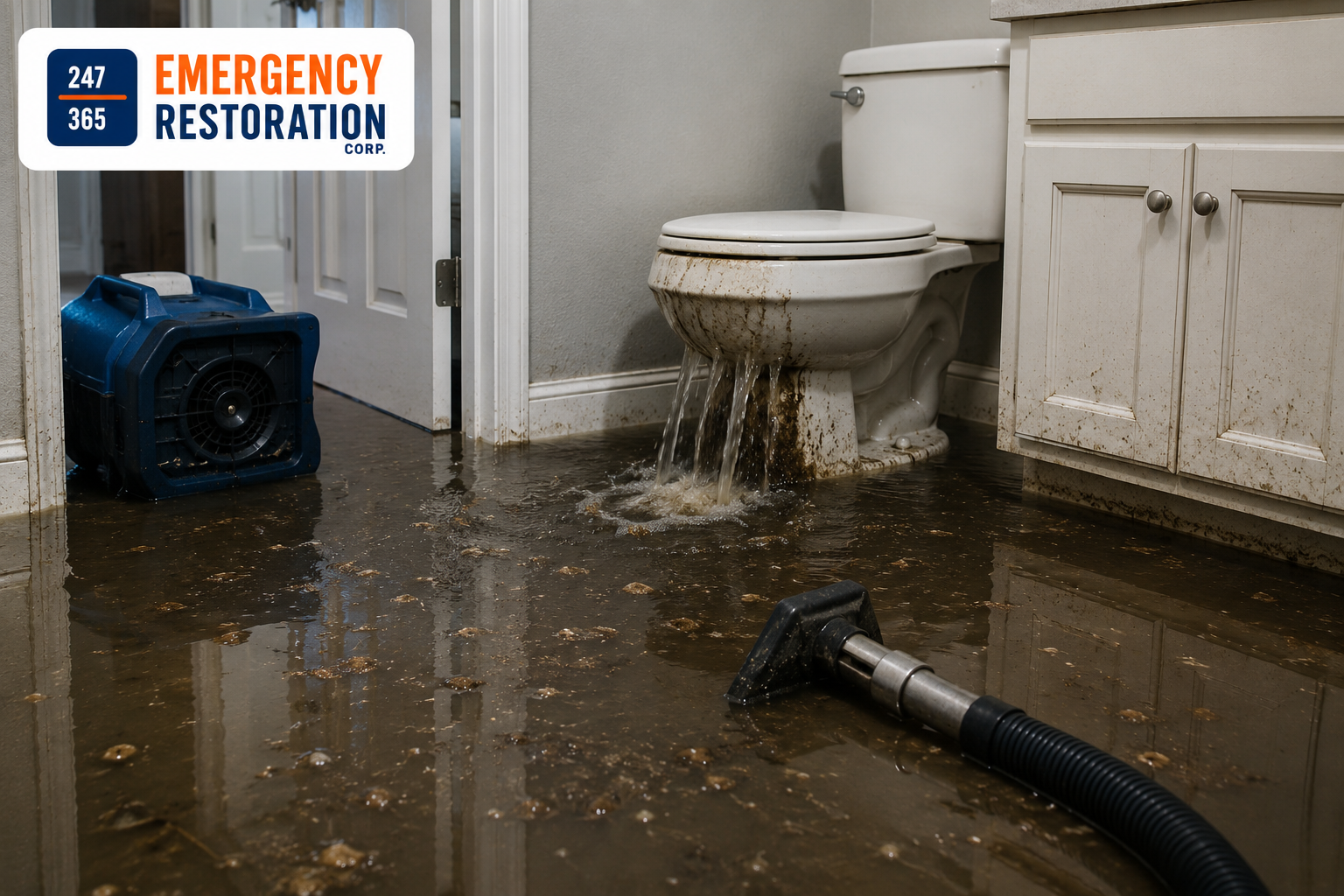
A sewage backup is one of the most serious water-related emergencies a home or business can face. Unlike clean water from a leaking pipe, sewage water may contain bacteria, viruses, chemicals, and other harmful contaminants. When sewage enters a property, waiting too long to address the problem can increase health risks, property damage, unpleasant odors, and restoration costs.
The first 24 hours are especially important. Taking quick action can help prevent contaminated water from spreading, protect building materials, and make the restoration process more manageable. Professional emergency sewage cleanup focuses on safely removing contaminated water, cleaning affected surfaces, disinfecting the area, and thoroughly drying the property.
Time is a major factor when dealing with sewage damage. Standing contaminated water can quickly move into flooring, walls, furniture, and other porous materials. As moisture spreads, materials can become increasingly difficult to restore.
Sewage water can contain microorganisms and contaminants that may create health concerns. Direct contact with contaminated water should be avoided, particularly by children, pets, elderly individuals, and anyone with increased sensitivity to environmental contaminants.
For this reason, affected areas should be isolated whenever possible until professional sewage cleanup can be performed. Attempting to remove contaminated water without the appropriate protective equipment and procedures can increase exposure.
Sewage can cause more than surface-level water damage. Moisture can move underneath flooring, behind walls, and into other hidden areas. The longer these materials remain wet, the greater the possibility of permanent damage and additional restoration work.
Fast sewage extraction can help limit the spread of contamination and reduce the number of materials that may need to be removed or replaced.
Knowing what to do during the first few hours can make the situation safer and easier to manage. The priority should always be protecting people and preventing additional contamination.
Do not allow children or pets to enter the affected area. Avoid walking through sewage water unless absolutely necessary. Contaminated water can spread to clean areas through shoes, clothing, and household items.
If possible, close off the affected space until a professional cleanup team can evaluate the situation.
If the sewage backup appears to be related to an overloaded or blocked drain system, avoid using sinks, toilets, showers, washing machines, or other plumbing fixtures that could make the backup worse.
If the source can be safely identified and stopped, doing so may help prevent additional sewage from entering the property. However, homeowners should not attempt complicated plumbing repairs while standing water or electrical hazards are present.
Professional emergency sewage cleanup should begin as soon as possible. Restoration specialists have the equipment and protective procedures necessary to handle contaminated water safely.
A professional assessment can also determine how far the sewage has spread and which materials can potentially be cleaned and restored.
Sewage cleanup involves more than simply removing visible water. A complete restoration process addresses contamination, moisture, odors, and damaged materials.
The first major step is removing standing sewage water. Professional extraction equipment can remove contaminated water efficiently while limiting additional spreading.
Once the water is removed, technicians can inspect the affected areas more thoroughly and determine the extent of the damage.
After extraction, affected surfaces need to be cleaned and disinfected. This step is especially important because sewage may leave behind contaminants even after all visible water has disappeared.
Depending on the condition of the materials, some surfaces may be cleaned and restored, while heavily contaminated porous materials may need to be removed.
Drying is another critical part of sewage damage restoration. Moisture can remain beneath flooring, inside walls, and in other areas that are not immediately visible.
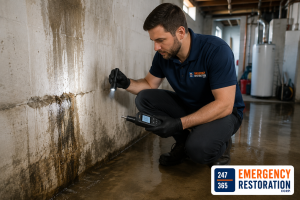
Professional drying equipment and moisture measurements can help identify hidden moisture and ensure affected areas are properly dried.
A sewage backup can affect many different parts of a building. The visible water may represent only a portion of the actual damage.
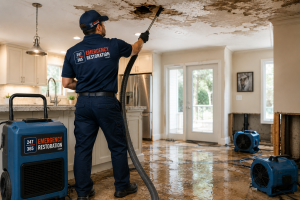
Carpet, padding, drywall, insulation, wood flooring, and other porous materials can absorb contaminated water. Depending on the level and duration of exposure, these materials may become difficult or unsafe to restore.
Fast action can help reduce the amount of material affected by sewage.
Sewage water can travel beneath flooring and into wall cavities. Hidden moisture can remain even after the property appears dry.
A professional inspection can help locate affected areas that may otherwise be overlooked during basic cleanup.
Sewage can leave behind strong and persistent odors. Simply using air fresheners does not address the underlying source. Proper cleaning, disinfection, and drying are necessary to address contamination and odor at its source.
Moist conditions can also contribute to mold problems, making rapid drying an important part of the restoration process.
Sewage cleanup requires specialized knowledge because contaminated water presents different challenges than ordinary water damage.
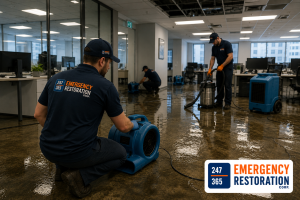
Professional restoration technicians may use extraction equipment, air movers, dehumidifiers, moisture detection tools, protective equipment, and specialized cleaning products.
These tools allow the cleanup process to be performed more efficiently while reducing unnecessary exposure to contaminated materials.
A professional team can establish a controlled cleanup area and take steps to prevent contaminated materials from spreading to unaffected parts of the property.
This is particularly important in larger homes, apartment buildings, condominiums, and commercial properties.
The sooner sewage is removed and affected areas are dried, the sooner restoration can begin. Rapid response can reduce disruption and potentially limit the overall scope of the damage.
Sewage emergencies can happen in both residential and commercial properties, but the consequences may be different depending on the building.
In homes, sewage backups can damage flooring, furniture, personal belongings, walls, and stored items. Quick cleanup helps homeowners reduce disruption and protect areas of the property that were not directly affected.
For businesses, sewage damage can interrupt daily operations and affect employees, customers, equipment, inventory, and valuable documents. A rapid commercial sewage cleanup response can help minimize downtime and support a faster return to normal operations.
Emergency cleanup addresses the immediate problem, but preventing another backup requires identifying and addressing the underlying cause.
Regular plumbing maintenance can help identify developing problems before they result in a major sewage backup. Drains, sewer connections, and other plumbing components should be inspected when recurring problems appear.
Blocked or damaged sewer lines can contribute to repeated backups. Professional sewer line inspections can help identify blockages, cracks, root intrusion, or other issues that may require attention.
Depending on the property and plumbing system, backflow prevention devices and other protective measures may help reduce the risk of future sewage incidents. A qualified professional can determine which solutions are appropriate for the property.
The first 24 hours following a sewage backup are critical because contaminated water can spread quickly and cause progressively more damage.
Rapid sewage extraction can help limit the amount of water absorbed by building materials. This may reduce the need for extensive demolition and replacement.
Keeping people away from contaminated areas and arranging professional cleanup quickly can help reduce exposure while protecting the property’s structure and contents.
Small plumbing issues may sometimes be handled by homeowners, but significant sewage contamination can expose you to harmful contaminants.
Yes. Even small foundation cracks can allow water to seep into your basement during wet weather.
Keep children and pets away from the affected area, avoid direct contact with sewage, stop the source if it is safe to do so, and contact an emergency sewage cleanup professional.
The duration depends on the amount of sewage, the size of the affected area, the materials involved, and the extent of drying and restoration required. Minor cases may be resolved quickly, while extensive damage can take several days or longer.
Yes. Sewage introduces significant moisture into a property, and prolonged damp conditions can contribute to mold growth. Prompt water extraction and professional drying can help reduce this risk.
50+ Restoration, Environmental, Inspection & Property Maintenance Services – 24/7 Across Southern Ontario