- Available 24/7 — 365 Days a Year
- Toronto & All GTA — Southern Ontario
- IICRC Certified · Insurance Approved
- Residential & Commercial Services

CALL NOW
(416) 657-2222
(416) 657-2222
Professional Water Damage Clean up
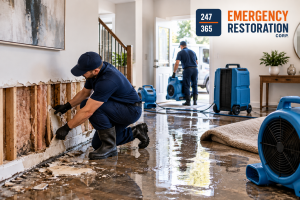
When a burst pipe under your sink floods your kitchen, time is critical. In this showcase video, 247-Restoration Corp. demonstrates how our expert team handles water damage emergencies with precision, speed, and care — from inspection to full restoration.
Serving homeowners and businesses from Lake Simcoe to Lake Ontario, west to Guelph & Kitchener, and east to Peterborough, 247-Restoration provides trusted, professional 24/7 emergency restoration services across the Greater Toronto Area (GTA).
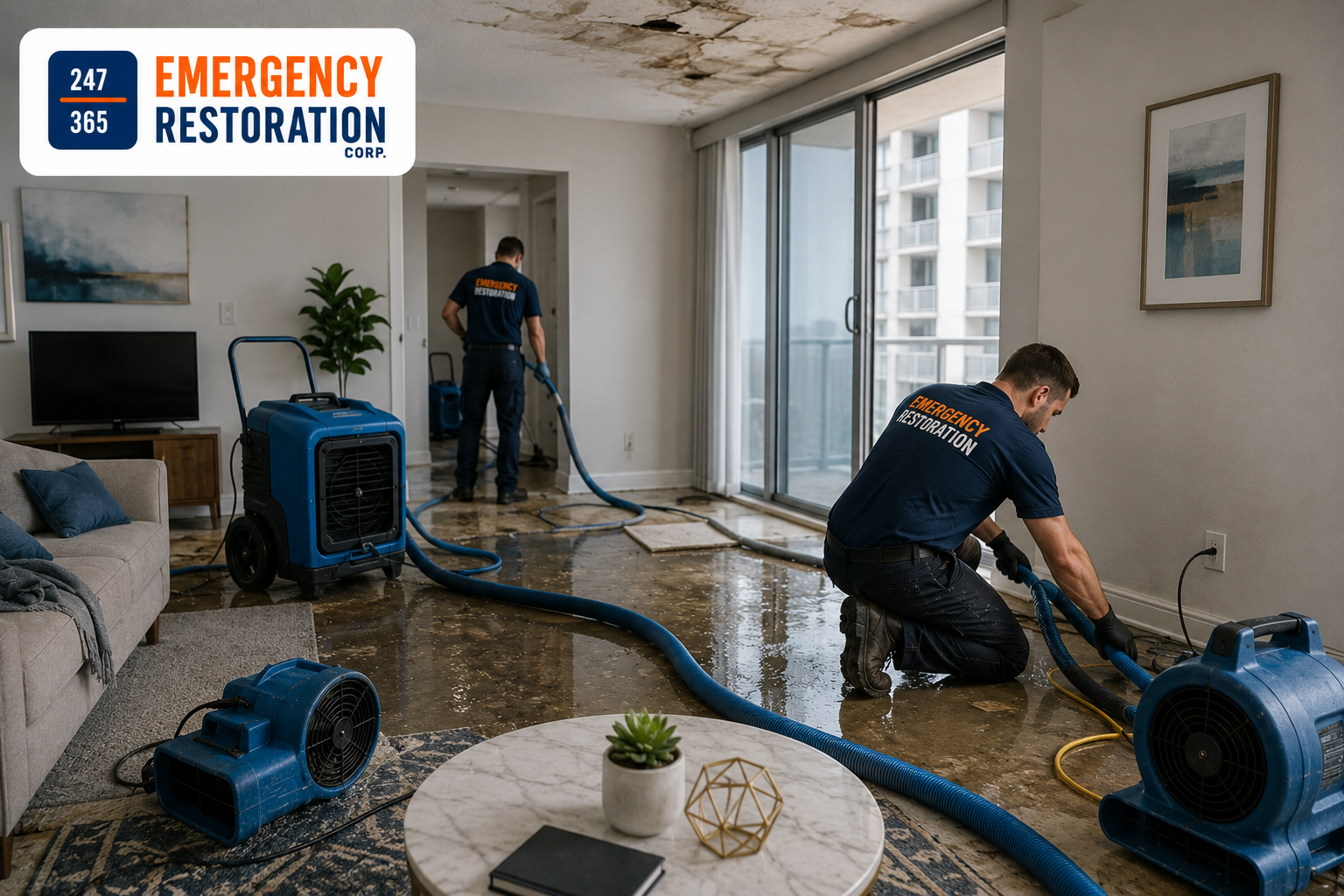
Water damage in a condominium can quickly become more than a problem for one unit. A leaking pipe, overflowing appliance, burst supply line, or roof leak can affect neighboring units, shared walls, hallways, ceilings, and other common areas. Because condos are occupied by multiple residents, restoring the property requires more than simply removing water. The goal is to restore affected areas efficiently while keeping residents safe, informed, and comfortable.
Professional condo water damage restoration helps minimize resident disruption through rapid response, targeted water extraction, controlled drying, clear communication, and careful coordination with property managers. A structured restoration process can reduce unnecessary damage and help residents return to their normal routines as quickly as conditions safely allow.
Water can travel through walls, floors, ceilings, and building systems, making it difficult to determine the full extent of damage from visible signs alone. In a condominium, a leak originating in one unit may affect another unit below or an adjacent property.
Water damage can also interfere with elevators, hallways, electrical systems, parking areas, and other shared spaces. Residents may have limited access to their homes while restoration equipment is operating or repairs are being completed.
Professional assessment is important because hidden moisture can remain behind drywall, beneath flooring, or inside other building materials. Identifying these areas early helps restoration professionals focus their work where it is actually needed.
Professional restoration companies use a systematic approach designed to control the affected area and restore the property efficiently.
The sooner water damage is addressed, the easier it may be to control its spread. A rapid response allows restoration professionals to inspect the property, identify the source of the water, and begin appropriate extraction and drying.
Quick action is particularly important in condos because water can move between units. Addressing the problem early may help reduce the number of affected areas and limit disruption to residents who are not directly involved in the original incident.
Standing water can damage flooring, walls, furniture, and other materials. Professional water extraction equipment allows restoration technicians to remove large amounts of water efficiently.
Instead of relying on basic household equipment, professionals can use commercial extraction systems designed for restoration work. Removing water efficiently helps move the project toward the drying stage and can reduce the amount of time residents are exposed to noisy equipment or restricted areas.
Visible water does not always represent the full extent of a water damage event. Moisture may remain behind walls, under flooring, or in other concealed spaces.
Restoration professionals use moisture detection tools to locate affected materials and determine where drying is necessary. This targeted approach can prevent unnecessary removal of building materials while ensuring that hidden moisture is properly addressed.
Air movers and dehumidification equipment can then be positioned strategically throughout affected areas. Proper placement allows technicians to focus on the areas that require drying rather than unnecessarily occupying large portions of the building.
Containment is another important way restoration professionals can minimize disruption. When appropriate, technicians can isolate affected areas to help keep dust, debris, moisture, and odors from spreading into unaffected portions of the property.
For a condo building, this can be especially useful because residents may continue using common areas or unaffected units while restoration work is underway. Limiting the work zone helps maintain normal building operations whenever it is safe to do so.
Communication plays an important role in reducing frustration during water damage restoration. Residents need to understand what is happening, which areas are affected, and what to expect during the restoration process.
Restoration teams and property managers should communicate important information about access restrictions, equipment placement, expected work activities, and safety precautions.
Regular updates can help residents plan around restoration work rather than being surprised by unexpected closures or changes.
Condo restoration often requires coordination between restoration professionals, property managers, building staff, and residents. Property management can help arrange access to affected units, communicate building-wide notices, and coordinate work in shared spaces.
This organized approach can reduce delays and prevent unnecessary interruptions to residents.
Water damage restoration may require furniture and personal belongings to be moved away from affected areas. Professional technicians can carefully move or protect items when appropriate so that restoration equipment can be positioned effectively.
Protecting belongings also helps restoration teams work more efficiently. Clear access to floors, walls, and other affected areas can make water extraction and drying easier while reducing unnecessary handling of residents’ property.
A professional restoration project generally follows several important stages.
The process begins with an inspection to identify the source and extent of the water damage. Technicians assess visible damage and look for hidden moisture.
Standing water is extracted using professional equipment. Removing excess water is an important early step in limiting further damage.
After extraction, affected materials are dried using air movement and dehumidification equipment. Moisture levels are monitored to determine whether additional drying is necessary.
Affected surfaces and belongings may require cleaning and treatment depending on the source and condition of the water. The appropriate cleaning process depends on the type and extent of contamination.
Once the affected areas have been properly dried and cleaned, damaged materials can be repaired or replaced as needed. This may include flooring, drywall, ceilings, cabinetry, or other components.
A final inspection helps confirm that the restoration work has been completed and that affected areas are ready for normal use when appropriate.
Property managers can make restoration more efficient by having an emergency response plan in place before water damage occurs. Maintaining contact information for qualified restoration professionals can help reduce delays during an emergency.
Managers should also communicate quickly with residents, prioritize high-traffic areas, coordinate access to individual units, and keep residents informed about restoration progress.
When restoration teams and property managers work together, scheduling can be organized around building operations whenever possible. This may help reduce unnecessary disruption to entrances, elevators, hallways, and other shared areas.
The length of a restoration project varies depending on the severity and source of the damage. Factors can include the amount of water, number of affected units, type of building materials, moisture levels, and whether damaged materials require removal or reconstruction.
Some incidents may require only extraction and drying, while more extensive events can require repairs and reconstruction. A professional inspection is the best way to determine the appropriate restoration process and expected timeline.
Condo water damage restoration is about more than removing visible water. Professional restoration helps identify hidden moisture, control affected areas, protect belongings, coordinate with building management, and restore damaged spaces efficiently.
For residents, effective restoration can mean fewer unnecessary disruptions and a clearer understanding of what is happening throughout the project. For property managers and condo associations, a structured response can help protect the building while maintaining safe operations in unaffected areas.
If your condominium has experienced a leak, flood, or other water emergency, acting quickly can help limit the extent of the damage. Professional condo water damage restoration can provide the equipment, assessment, drying, cleaning, and coordination needed to move the property toward normal operation as efficiently and safely as possible.
Condo water damage restoration is the professional process of removing water, drying affected areas, cleaning damaged surfaces, and repairing the property after a leak, flood, or other water-related incident.
Professional restoration minimizes disruption through rapid water extraction, targeted drying, containment, careful scheduling, protection of belongings, and communication with residents and property managers.
The timeline depends on the severity of the damage, the amount of water, affected building materials, number of units involved, and whether repairs or reconstruction are required.
In some situations, residents may be able to remain in unaffected areas. However, occupancy depends on the extent of the damage, safety conditions, affected utilities, and the restoration work being performed.
A professional inspection can identify visible and hidden moisture, determine the extent of the damage, and help establish an appropriate restoration plan to prevent further property damage.
50+ Restoration, Environmental, Inspection & Property Maintenance Services – 24/7 Across Southern Ontario