- Available 24/7 — 365 Days a Year
- Toronto & All GTA — Southern Ontario
- IICRC Certified · Insurance Approved
- Residential & Commercial Services

CALL NOW
(416) 657-2222

(416) 657-2222
can mould grow behind walls?
Is mould hiding in your walls? You might not see it, but it could be putting your health at risk. At 247-365.ca, we offer professional mould inspections—available 24/7, 365 days a year.
For More Information:
Learn more : https;//247-365.ca/
Call us : 416-657-2222
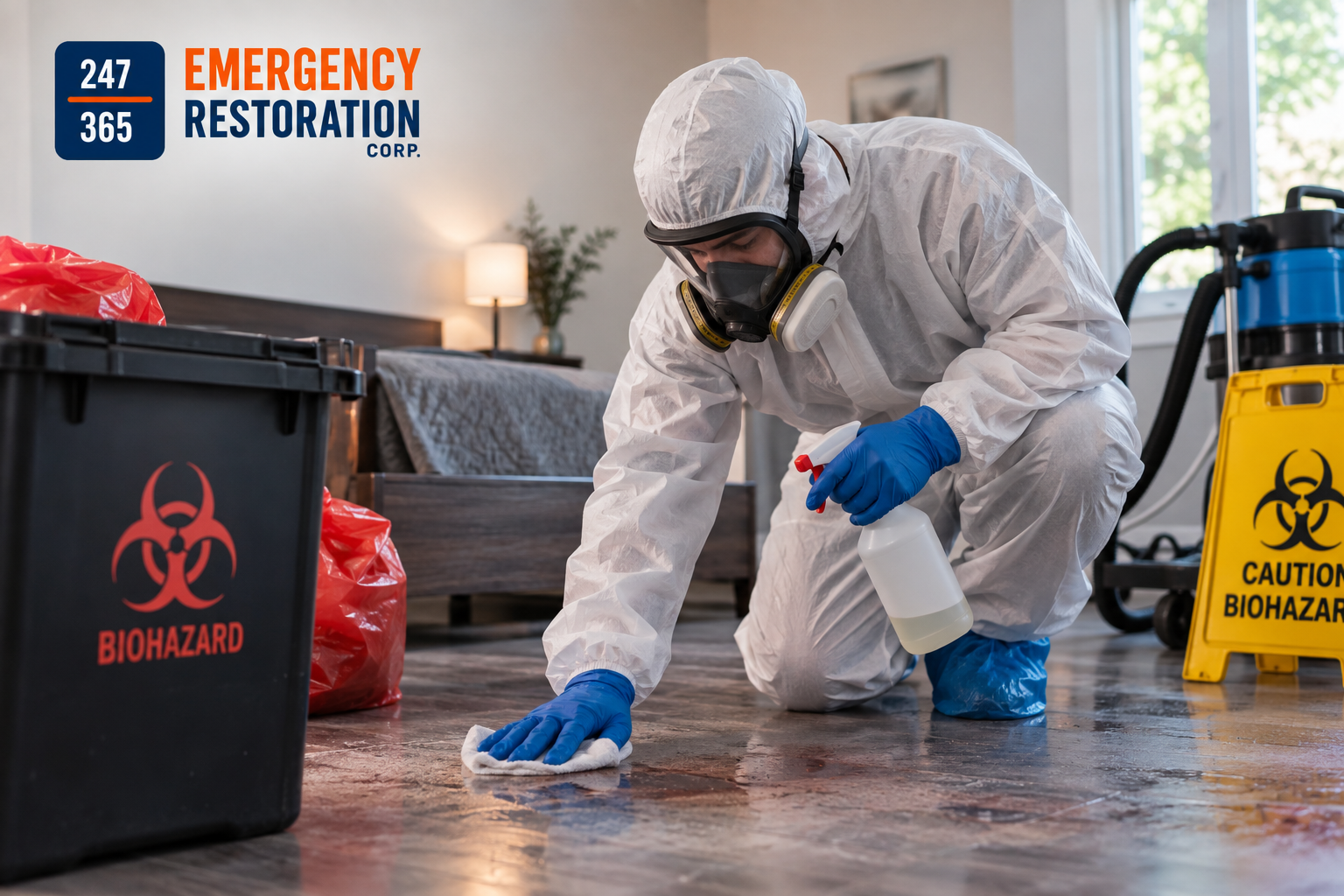
Yes. Mould can grow behind walls when moisture and suitable organic materials are present.
Drywall paper, wood framing, insulation, dust, and other materials can provide conditions that support mould growth when they become damp. A leak from a plumbing pipe, roof, window, appliance, or HVAC system can introduce moisture into a wall cavity.
In some cases, the moisture problem may continue for weeks or months without being visible from the room.
Common causes of moisture behind walls include:
The important factor is usually not simply the presence of mould spores. Mould spores are common in the environment. The concern arises when moisture creates conditions that allow mould to grow.
Surface mould is usually easier to identify because it may appear as discolouration or spots on walls and ceilings. Hidden mould is different because the affected area may be behind a finished surface.
A wall can look completely normal while moisture is present inside.
There may also be no obvious water leak. A small plumbing leak inside a wall, for example, can gradually increase moisture levels without producing a large visible water stain.
This is why unexplained odours, recurring moisture problems, or previous water damage can be reasons to investigate further.
Although hidden mould cannot always be seen directly, several warning signs may indicate a potential problem.
A recurring musty smell can be one reason to investigate a wall or another hidden area. Odour alone does not prove that mould is present, but an unexplained smell combined with moisture or previous water damage deserves attention.
Brown, yellow, or otherwise unusual staining on drywall may indicate a previous or ongoing moisture problem. The stain itself does not necessarily mean mould is present, but it can be a reason for further inspection.
Paint or wallpaper that bubbles, peels, or separates from the wall can sometimes indicate moisture underneath the surface.
Drywall that feels unusually soft, swollen, or damaged may have been exposed to moisture.
If the same wall repeatedly becomes damp, develops stains, or produces an unusual odour, the underlying source should be investigated rather than simply covering the visible symptoms.
A professional inspection generally begins with a visual assessment of the property.
The inspector looks for visible mould, water stains, damaged materials, condensation, plumbing issues, ventilation problems, and other signs that could indicate excess moisture.
The investigation can then focus on areas where hidden moisture may be present.
Moisture meters can help identify areas with elevated moisture levels in certain building materials.
These tools can be useful for comparing suspicious areas with surrounding materials and locating potential moisture patterns.
However, a moisture reading alone does not prove that mould exists. It is one piece of information used as part of a broader inspection.
Depending on the situation, professionals may also use thermal imaging to identify temperature differences that could suggest moisture or other building conditions.
Thermal imaging does not directly “see” mould. Instead, it can help identify areas that deserve closer investigation.
When there is sufficient evidence of a hidden problem, an inspector may recommend examining the wall cavity more closely. This can involve accessing a limited section of the wall when appropriate.
Opening a wall should be done carefully because disturbing potentially contaminated materials can create additional concerns. The appropriate approach depends on the property and the suspected source of moisture.
Identifying mould without addressing the moisture source does not solve the underlying problem.
For example, if mould develops behind a wall because of a leaking pipe, cleaning the affected area without repairing the pipe can allow the problem to return.
The same principle applies to roof leaks, condensation, poor ventilation, and exterior water intrusion.
A professional assessment should therefore consider both where mould may be located and why moisture is present.
The appropriate response depends on the extent and location of the problem.
A professional may assess affected materials and determine which items can potentially be cleaned or restored and which materials may need removal.
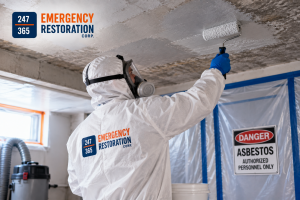
The affected area may also require controlled containment and appropriate cleaning procedures to reduce the spread of dust and contaminants during remediation.
The process can include:
The exact procedure should be based on the specific property and the extent of the mould and moisture problem.
Homeowners can identify obvious signs such as staining, odours, or visible mould, but determining whether mould is growing inside a wall can be much more complicated.
Simply cutting open a wall without a plan can disturb materials unnecessarily and may not identify the actual source of moisture.
Similarly, painting over a stained wall can hide a visible symptom without resolving an underlying leak.
Professional inspection can help determine whether further investigation is justified and where attention should be focused.
Water damage is one of the situations in which hidden mould can become a concern.
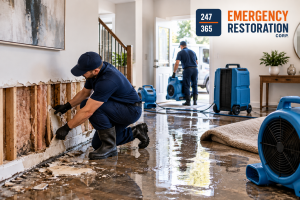
After a significant leak or flood, water may penetrate drywall, insulation, subfloors, and wooden framing. Even when standing water has been removed, materials can retain moisture.
This is why water damage restoration typically involves more than removing visible water. Drying and moisture monitoring are important parts of the process.
If an area was wet and remained damp for an extended period, a professional assessment can help determine whether additional inspection or remediation is necessary.
Consider professional inspection when you notice unexplained musty odours, recurring moisture, visible water damage, damaged drywall, or signs that suggest moisture may be trapped inside a wall.
An inspection may also be appropriate after significant water damage, especially when the affected materials were not thoroughly dried.
The earlier a moisture problem is identified, the easier it may be to address the source before damage spreads to additional areas.
Prevention starts with moisture control.
Homeowners can reduce the risk of mould growth by addressing leaks quickly, maintaining appropriate indoor humidity, improving ventilation in bathrooms and kitchens, keeping gutters and drainage systems functional, and investigating water stains promptly.
After a water event, affected materials should be dried thoroughly rather than simply allowing the surface to appear dry.
Regular inspection of plumbing connections, roofs, windows, basements, and other areas vulnerable to water intrusion can also help identify problems early.
Mould can grow behind walls when moisture creates suitable conditions for growth. Because hidden mould may not be visible, homeowners should pay attention to warning signs such as persistent musty odours, water stains, peeling paint, damaged drywall, and recurring moisture.
Professional mould inspection can combine visual assessment with moisture detection and, when appropriate, other investigative methods to identify areas that may require closer examination.
Most importantly, finding mould is only part of the solution. The underlying moisture source needs to be identified and addressed, and affected materials should be handled appropriately.
If you suspect mould behind walls, a professional assessment can help determine the extent of the problem and identify the appropriate next steps for protecting your property.
Yes. Moisture trapped inside wall cavities can create conditions that allow mould to grow.
It is the broader process of drying, cleaning, repairing, and restoring areas affected by water damage.
Yes. Water extraction is usually one of the first steps in the restoration process.
It helps remove excess water quickly and reduce the risk of further moisture-related damage.
Not always. The required service depends on the amount of water, affected materials, and extent of the damage.
50+ Restoration, Environmental, Inspection & Property Maintenance Services – 24/7 Across Southern Ontario