- Available 24/7 — 365 Days a Year
- Toronto & All GTA — Southern Ontario
- IICRC Certified · Insurance Approved
- Residential & Commercial Services

CALL NOW
(416) 657-2222
(416) 657-2222
Can a Septic Tank Backup Cause Permanent Property Damage?
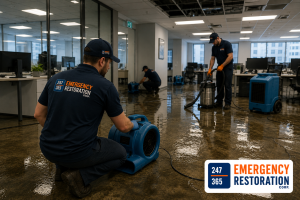
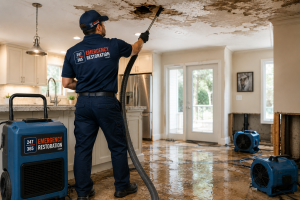
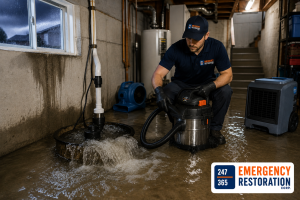
When it comes to sewage backups, what isn’t immediately visible can cause serious property damage and health risks. Sewage water contains hazardous bacteria and contaminants that can quickly spread through furnace rooms, basements, and surrounding structures if not addressed promptly. In this real restoration showcase, the 247-365 Restoration team responds to a sewage backup in a furnace room, demonstrating our step-by-step emergency sewage cleanup and restoration process designed to protect the property, restore safety, and prevent long-term structural and indoor air quality issues. . learn more
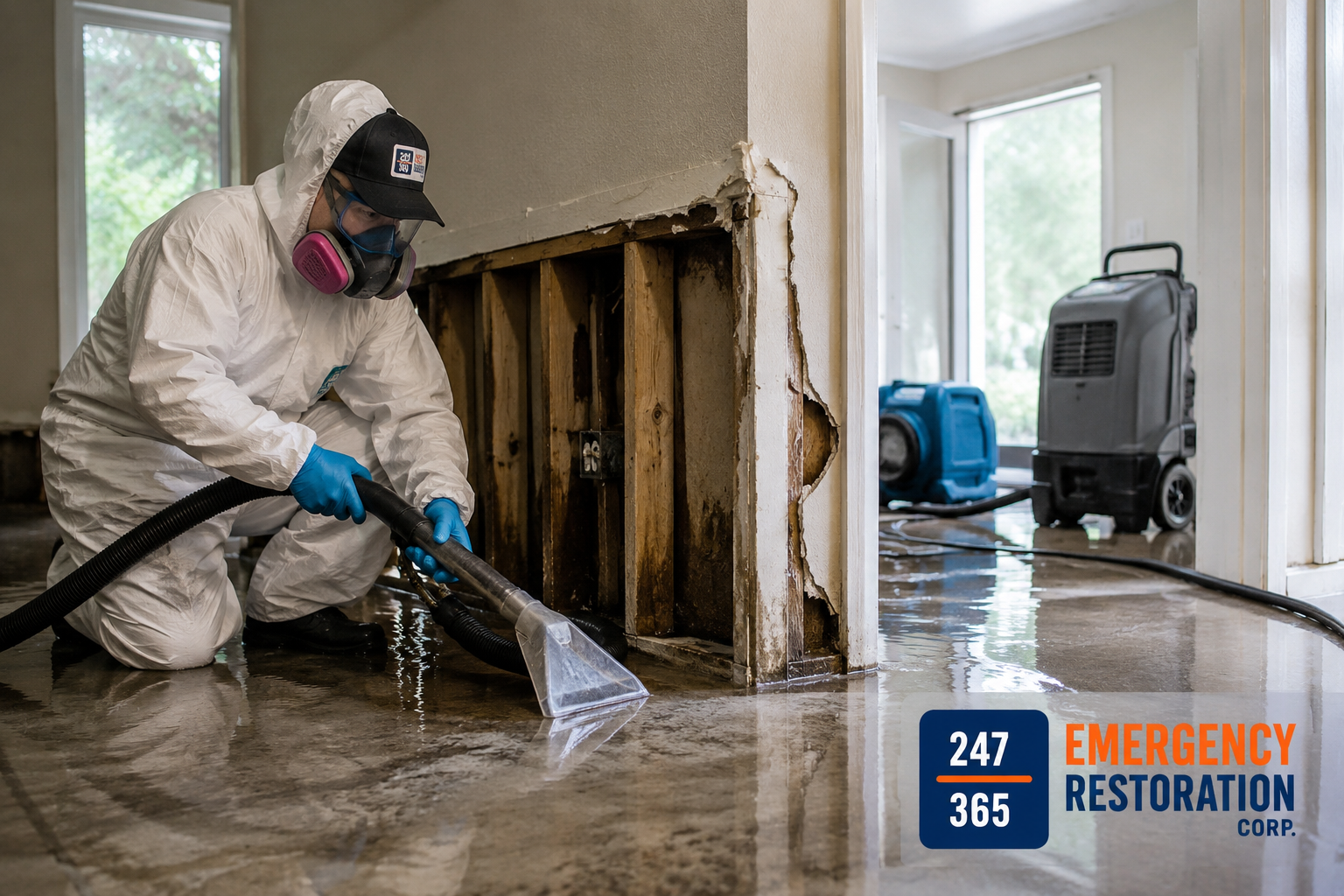
A septic tank backup is one of the most unpleasant and hazardous problems a homeowner can experience. Beyond the foul odors and contaminated water, a septic backup can cause extensive structural damage, create serious health risks, and lead to expensive restoration costs if not addressed immediately.
Many homeowners underestimate the long-term impact of sewage contamination, assuming that once the water is removed, the problem is over. Unfortunately, that’s rarely the case. Sewage contains harmful bacteria, viruses, and organic waste that can penetrate porous building materials, weaken structural components, and create ideal conditions for mold growth.
Understanding how septic tank backups affect your property can help you act quickly and minimize permanent damage.
A septic tank backup occurs when wastewater cannot properly flow through your septic system and instead reverses direction, forcing contaminated sewage back into your home’s drains, sinks, toilets, bathtubs, or basement.
Unlike clean water leaks, septic backups involve Category 3 water—commonly known as black water—which contains dangerous microorganisms and requires immediate professional cleanup.
Without prompt action, contaminated water can spread rapidly throughout the property, affecting flooring, drywall, furniture, insulation, and even structural framing.
Several issues can cause a septic system to fail and back up into your home.
Septic tanks require routine pumping and inspections. Over time, solid waste accumulates inside the tank, reducing its capacity and increasing the risk of overflow.
The drain field is responsible for filtering wastewater back into the soil. If it becomes clogged or saturated, wastewater has nowhere to go and may return to the house.
Tree roots naturally seek moisture and can invade underground sewer pipes or septic lines. Even small cracks allow roots to enter, eventually causing blockages or pipe collapse.
After prolonged rain, the surrounding soil may become saturated, preventing the septic system from draining properly. This is especially common in rural properties.
Older septic tanks and sewer lines naturally deteriorate over time. Cracked tanks, damaged pipes, or corroded components significantly increase the likelihood of backups.
Yes. A septic tank backup can absolutely cause permanent property damage if the contamination is not cleaned and restored immediately.
Wood framing, floor joists, and subfloors absorb contaminated moisture quickly. Extended exposure can weaken structural integrity, resulting in warped flooring, rotting wood, and costly repairs.
Drywall acts like a sponge. Once sewage soaks into walls, bacteria and moisture become trapped inside, making replacement the safest solution. Insulation also loses its effectiveness after contamination and often requires removal.
Carpets, laminate flooring, hardwood, and underlayment are highly porous materials. Sewage can permanently stain, warp, and contaminate these surfaces beyond repair.
Repeated septic backups or prolonged moisture exposure can contribute to foundation deterioration, basement humidity, and long-term structural concerns.
A septic backup isn’t just a property issue—it is a serious health hazard.
Raw sewage may contain:
Direct contact with contaminated water can lead to infections, gastrointestinal illnesses, respiratory issues, and skin irritation.
Children, elderly individuals, and people with weakened immune systems are particularly vulnerable to exposure.
Because of these risks, professional restoration companies use specialized protective equipment, commercial disinfectants, and advanced drying equipment to safely restore affected areas.
Many homeowners focus only on removing standing water after a backup. However, moisture trapped behind walls, beneath flooring, and inside insulation creates ideal conditions for mold growth.
In many cases, mold can begin developing within 24 to 48 hours after a sewage backup.
Once mold spreads, restoration becomes significantly more expensive and may require additional demolition and remediation.
Early drying and professional moisture detection are essential for preventing secondary damage.
If your septic system backs up, taking the right steps immediately can significantly reduce property damage.
First, avoid entering contaminated water whenever possible. Shut off electricity to affected areas if it is safe to do so, and keep children and pets away from the contaminated space.
Do not attempt to use additional plumbing fixtures, as this can worsen the backup.
Next, contact a professional restoration company experienced in sewage cleanup. Certified technicians have the proper equipment to safely extract contaminated water, disinfect affected surfaces, remove unsalvageable materials, and thoroughly dry the property.
The sooner cleanup begins, the better the chances of preventing permanent structural damage.
Cleaning up a septic backup involves much more than removing visible water.
Professional restoration companies perform:
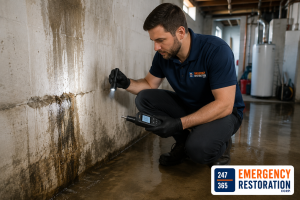
Using specialized equipment such as commercial air movers, dehumidifiers, moisture meters, and antimicrobial treatments ensures your property is restored safely and completely.
Attempting to clean contaminated sewage without proper equipment can spread bacteria throughout the home and increase health risks.
Although not every backup can be avoided, proper maintenance significantly reduces the risk.
Homeowners should:
Preventive maintenance is far less expensive than emergency restoration.
A septic tank backup should never be treated as a minor plumbing issue. Left untreated, contaminated sewage can permanently damage flooring, drywall, insulation, structural framing, and personal belongings while exposing your family to dangerous bacteria and viruses.
Fast action is the key to minimizing restoration costs and protecting your property.
If you experience a septic tank backup, trust the certified professionals at 247-365 Restoration. Our experienced team provides 24/7 emergency septic cleanup, sewage damage restoration, professional disinfection, and complete property restoration throughout Southern Ontario. We use advanced equipment and proven restoration techniques to help return your home to a safe, clean, and healthy condition as quickly as possible.
a
Yes. Long-term moisture and sewage contamination can weaken concrete, wood framing, and other structural materials if not addressed quickly equipment and cleaning techniques ensure your property is restored safely and thoroughly.
Yes. Septic wastewater contains bacteria, viruses, parasites, and other harmful contaminants that require professional cleanup and disinfection.in surfaces, and make the damage worse.
Immediately. Delaying cleanup increases the risk of structural damage, mold growth, and health hazards.
Yes. Moisture from sewage can promote mold growth within 24 to 48 hours if affected materials are not properly dried and sanitized.
Porous materials such as carpet, padding, laminate flooring, and drywall often need to be removed and replaced after significant sewage contamination.
50+ Restoration, Environmental, Inspection & Property Maintenance Services – 24/7 Across Southern Ontario