- Available 24/7 — 365 Days a Year
- Toronto & All GTA — Southern Ontario
- IICRC Certified · Insurance Approved
- Residential & Commercial Services

CALL NOW
(416) 657-2222
(416) 657-2222
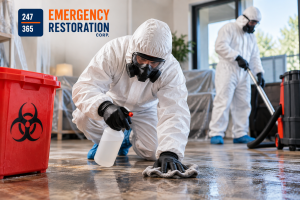
A sewage backup can cause serious health risks and major damage to your home. At 247-365.ca, we provide fast, professional sewage backup cleanup services to keep your family safe and your property clean.
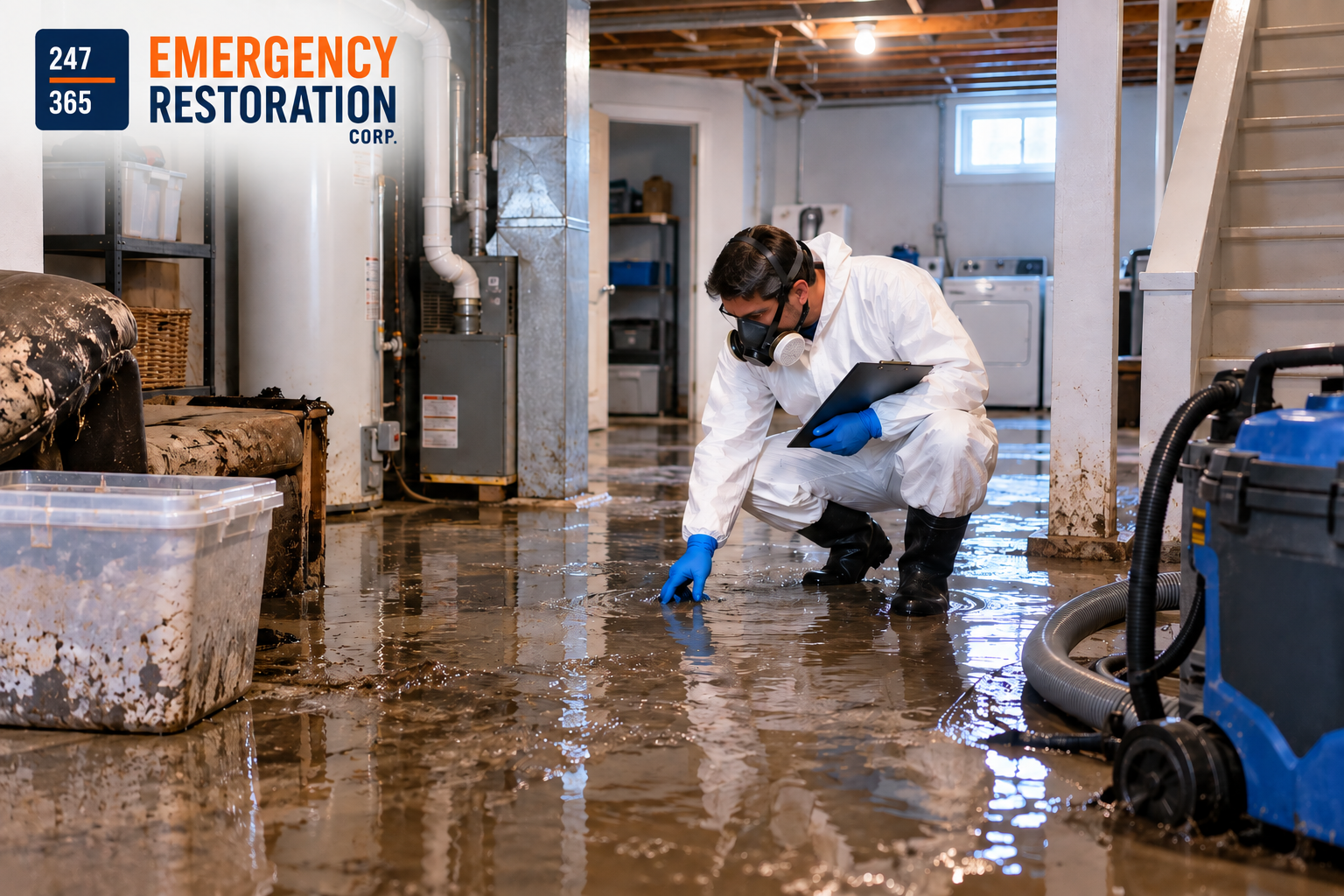
A basement sewage backup is more than an unpleasant plumbing problem. When wastewater enters your home, it can contaminate floors, walls, furniture, and personal belongings while creating potential health and property risks. Sewage can contain bacteria, viruses, parasites, and other contaminants, so prompt and careful cleanup is important.
For homeowners, understanding the health risks associated with a sewer backup can help you respond safely and prevent a small plumbing emergency from becoming a larger restoration problem.
A basement sewage backup occurs when wastewater from a sewer line or drainage system flows back into a home instead of draining away normally. This can happen for several reasons, including blocked sewer lines, damaged pipes, heavy rainfall, tree roots, or problems with a home’s drainage system.
Unlike clean water from a leaking supply pipe, sewage-contaminated water can contain harmful microorganisms and other contaminants. Even a relatively small amount of sewage can spread across a basement floor and come into contact with building materials and household items.
If sewage has entered your basement, avoid treating it like an ordinary water leak.
The primary concern with a sewage backup is contamination. Sewage can contain microorganisms that may cause illness if people come into contact with contaminated water or surfaces.
Potential exposure can happen through:
The risk can be higher for people who have direct exposure during cleanup. This is one reason homeowners should use appropriate precautions and consider professional sewage cleanup when contamination is extensive.
A sewage backup may expose occupants to bacteria, viruses, and parasites. Depending on the type and level of contamination, exposure can potentially contribute to gastrointestinal illness, skin irritation, eye irritation, or respiratory problems.
Symptoms following exposure can vary. Some people may experience nausea, vomiting, diarrhea, stomach discomfort, skin irritation, or other symptoms.
It is important to remember that the presence of sewage does not mean that everyone exposed will become sick. However, because contaminated water can contain disease-causing microorganisms, it should be treated seriously.
If someone becomes ill after significant exposure to sewage, contacting a healthcare professional is appropriate.
Yes. A basement sewage backup can create conditions that encourage mould growth.
Mould requires moisture and an appropriate environment to grow. When sewage saturates drywall, flooring, insulation, wood, carpeting, or other porous materials, moisture can remain trapped even after visible water has been removed.
This is why simply drying the surface of a basement may not be enough.
A professional restoration assessment can help determine whether moisture remains inside building materials and whether affected materials need to be removed or treated.
Addressing the moisture source quickly is one of the most important steps in preventing a sewage backup from becoming a longer-term mould problem.
Safety should come first.
If sewage has entered your basement, keep children and pets away from the affected area. Avoid unnecessary contact with contaminated water, and do not walk through the affected area unless it is necessary.
If electrical equipment, outlets, or appliances have been exposed to water, avoid touching them while standing in or near contaminated water. Electrical hazards should be assessed by a qualified professional.
If possible, stop the source of the backup without putting yourself at risk. Depending on the cause, this may require a plumber or other qualified professional.
You should also contact your insurance provider if you believe the damage may be covered by your policy.
Cleaning up sewage is different from removing ordinary water from a basement.
Professional sewage cleanup services can involve several stages, including water removal, containment, cleaning, disinfection, drying, and assessment of affected materials.
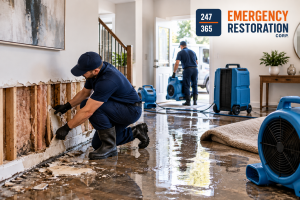
Professionals may use specialized equipment to remove contaminated water and dry the affected area. They can also determine which porous materials may be difficult or inappropriate to restore after significant sewage contamination.
This is particularly important when sewage has affected drywall, insulation, carpeting, upholstered furniture, or other absorbent materials.
The goal is not simply to make the basement look clean. Proper restoration should address contamination and moisture so the area can be safely returned to normal use.
One of the most common mistakes homeowners make is treating sewage-contaminated water like ordinary floodwater.
Avoid:
Direct contact with sewage can expose you to contaminants. Avoid unnecessary contact and use appropriate protective equipment if entry is unavoidable.
Small, manageable situations may sometimes be handled differently from major contamination events. However, extensive sewage damage can require professional equipment and procedures.
Carpets, upholstered furniture, insulation, drywall, and similar materials can absorb contaminated water. Depending on the extent of exposure, some materials may not be suitable for restoration.
Even after standing water disappears, moisture can remain underneath flooring, behind walls, or inside other materials. Hidden moisture can contribute to mould growth and ongoing odours.
The health concerns are only part of the problem. A sewage backup can also cause significant water damage to a basement.
Affected materials may include:
The longer contaminated water remains in contact with these materials, the greater the potential for damage.
Fast action can help limit the spread of contamination and reduce the possibility of secondary damage.
Although not every sewage backup can be prevented, homeowners can take steps to reduce the risk.
Regular plumbing maintenance can help identify potential problems before they become emergencies. Keep an eye out for slow drains, recurring backups, unusual plumbing noises, or unpleasant sewer odours.
Homeowners may also want to discuss preventive options with a qualified plumber, particularly if their property has experienced previous sewer problems.
Depending on the property and local conditions, solutions may include sewer line maintenance, backwater valves, sump pump systems, or other drainage improvements.
Consider contacting a professional restoration company when sewage has entered your basement, especially if the affected area is large or contaminated materials are involved.
Professional help may be particularly important when:
A professional assessment can help identify the extent of the damage and determine the appropriate cleanup and drying process.
Mould removal generally focuses on physically cleaning or removing visible mould. Mould remediation is a broader process that addresses the mould problem, affected materials, moisture source, containment, cleaning, drying, and steps to help prevent mould from returning.
No. Although the terms are sometimes used interchangeably, they can refer to different scopes of work. Removal focuses primarily on eliminating mould from affected surfaces, while remediation takes a more comprehensive approach to managing mould and the conditions that caused it.
Visible mould may only be part of the problem. If moisture remains behind walls, beneath flooring, inside insulation, or elsewhere in the property, mould can continue to grow. Addressing the underlying moisture source is an important part of effective remediation.
Mould generally needs moisture and suitable conditions to grow. Common causes include plumbing leaks, flooding, foundation seepage, condensation, high humidity, roof leaks, and poor ventilation.
Yes. If the moisture problem that caused the mould is not corrected, mould can return. Proper moisture control and appropriate cleaning or remediation can help reduce the chance of recurring mould growth.
50+ Restoration, Environmental, Inspection & Property Maintenance Services – 24/7 Across Southern Ontario