- Available 24/7 — 365 Days a Year
- Toronto & All GTA — Southern Ontario
- IICRC Certified · Insurance Approved
- Residential & Commercial Services

CALL NOW
(416) 657-2222
(416) 657-2222
Welcome to a behind-the-scenes look at how our expert technicians at 247-365 Restoration respond to serious biohazard situations—quickly, safely, and with total professionalism. In this video, you’ll see how we handle real-life scenarios including unattended death cleanup, blood and bodily fluid decontamination, hoarding remediation, and more. Our certified team uses industry-grade PPE, proper containment techniques, and hospital-level disinfectants to restore safety in homes, apartments, and commercial buildings across Ontario.
🔍 What Is Biohazard Cleanup? Biohazard cleanup involves the removal and disinfection of biological substances that pose serious health risks. These can include: ✔️ Blood and bodily fluids ✔️ Human and animal waste ✔️ Decomposed tissue (unattended death) ✔️ Used needles and drug paraphernalia ✔️ Hoarding waste and contaminants ✔️ Feces, urine, vomit, and gross filth ✔️ Pathogen risks (e.g. HIV, Hepatitis, MRSA, COVID-19) These jobs are NOT for regular janitors or cleaners—they require special licensing, equipment, and training to follow Ontario Health & Safety Standards.
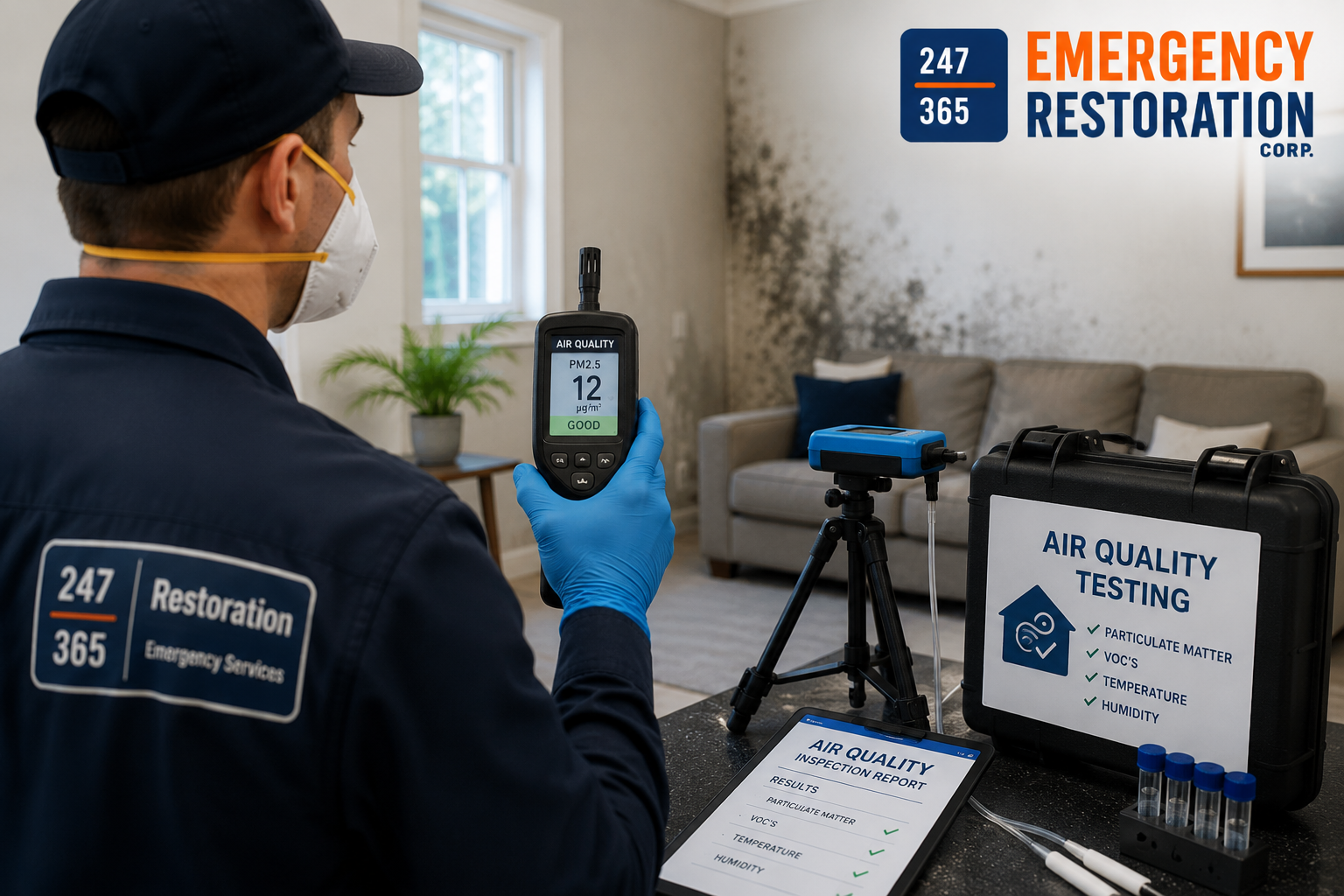
Most homeowners pay attention to visible issues such as water leaks, mold growth, or property damage. However, one of the most important aspects of a healthy home cannot be seen at all: the air you breathe.
Indoor air can contain mold spores, allergens, volatile organic compounds (VOCs), bacteria, dust, and other contaminants that may affect both health and comfort. An air quality test helps identify these hidden problems and provides valuable information about the condition of your indoor environment.
Whether you’ve recently experienced water damage, suspect mold growth, or simply want to improve the health of your living space, understanding air quality testing can help you make informed decisions about your property.
Indoor air quality (IAQ) refers to the condition of the air inside homes, offices, and other buildings. Good indoor air quality supports comfort, health, and overall well-being. Poor air quality can contribute to allergies, respiratory issues, headaches, fatigue, and unpleasant odours.
Since many people spend the majority of their time indoors, maintaining healthy air quality is an important part of protecting long-term health.
An air quality test is a professional assessment designed to identify and measure contaminants present in indoor air. The purpose of testing is to determine whether pollutants are present at elevated levels and to identify potential sources of contamination.
Air quality testing is often recommended after water damage incidents, mold discoveries, renovation projects, fire damage, or when occupants experience unexplained health symptoms.
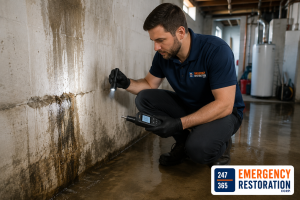
During an inspection, professionals collect air samples from different areas of the property. These samples may be compared with outdoor air samples to establish baseline conditions.
Specialized equipment is used to measure airborne particles, contaminants, and environmental conditions that could impact indoor air quality.
Depending on the situation, testing may evaluate:
The results help determine whether corrective action is necessary.
Many pollutants can affect indoor air quality. Some are naturally occurring, while others result from building materials, household products, moisture problems, or environmental conditions.
Mold is one of the most common indoor air quality concerns. When mold colonies grow, they release microscopic spores into the air.
Exposure may trigger:
Air quality testing can help identify elevated mold spore levels, even when visible mold is not present.
VOCs are gases released from products commonly found in homes, including:
High VOC levels may contribute to headaches, dizziness, respiratory irritation, and poor indoor comfort.
Dust mites, pollen, pet dander, and other allergens can accumulate inside homes and affect indoor air quality.
Testing can help identify environmental factors contributing to allergy symptoms.
In some cases, indoor air may contain bacteria or other microorganisms associated with water damage, sewage contamination, or poor ventilation.
Professional testing can help determine whether biological contaminants are present.
Many indoor air quality problems develop gradually. Homeowners should consider testing if they notice:
These symptoms may indicate hidden environmental concerns that require investigation.
Poor indoor air quality can affect occupants differently depending on age, health conditions, and the specific contaminants involved.
Potential health effects include:
Children, seniors, and individuals with respiratory conditions are often more sensitive to indoor air pollutants.
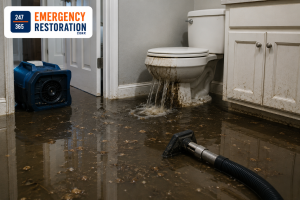
Water damage is one of the leading causes of indoor air quality problems.
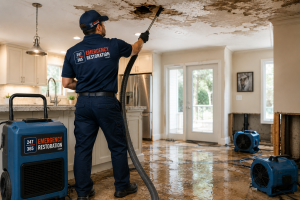
Moisture trapped behind walls, under flooring, or inside insulation creates ideal conditions for mold growth. As mold develops, spores can spread throughout the property via airflow and HVAC systems.
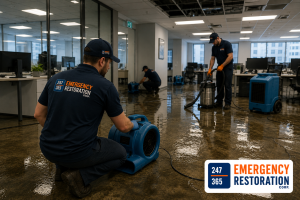
Even after visible water is removed, hidden moisture can continue affecting air quality if proper drying and restoration procedures are not completed.
For this reason, air quality testing is commonly recommended following:
Professional testing provides valuable information that homeowners cannot obtain through visual inspections alone.
Benefits include:
Testing can also help prevent unnecessary remediation by identifying the true source of concerns.
After testing is completed, a detailed report is typically provided.
The report may include:
Depending on the findings, recommendations may include mold remediation, moisture control, ventilation improvements, air filtration upgrades, or additional inspections.
Air quality testing may be beneficial if:
Proactive testing can help identify problems before they become larger and more expensive to address.
An air quality test is one of the most effective ways to evaluate the health of your indoor environment. While many contaminants are invisible, they can significantly affect comfort, air quality, and overall well-being.
Professional indoor air quality testing helps identify mold spores, allergens, VOCs, and other pollutants that may be impacting your property. Whether you’re dealing with water damage, suspected mold growth, or simply want peace of mind, an air quality inspection provides valuable information that can help protect your home and family.
247-365 Restoration offers professional air quality testing, mold inspections, water damage assessments, and environmental testing services throughout Southern Ontario. Contact our team today to schedule an inspection and gain confidence in the air you breathe.
Air quality testing may detect mold spores, allergens, VOCs, dust particles, bacteria, smoke residue, and other airborne contaminants.
Yes. Testing helps identify hidden indoor air problems that may affect health, comfort, and property conditions.
Yes. Professional testing can measure mold spore levels and help identify potential mold contamination.
Testing is often recommended after drying and restoration are complete to verify that moisture-related contamination is no longer affecting indoor air quality.
Most residential inspections take between one and three hours, depending on the size of the property and the scope of testing.
50+ Restoration, Environmental, Inspection & Property Maintenance Services – 24/7 Across Southern Ontario