- Available 24/7 — 365 Days a Year
- Toronto & All GTA — Southern Ontario
- IICRC Certified · Insurance Approved
- Residential & Commercial Services
CALL NOW
(416) 657-2222
(416) 657-2222
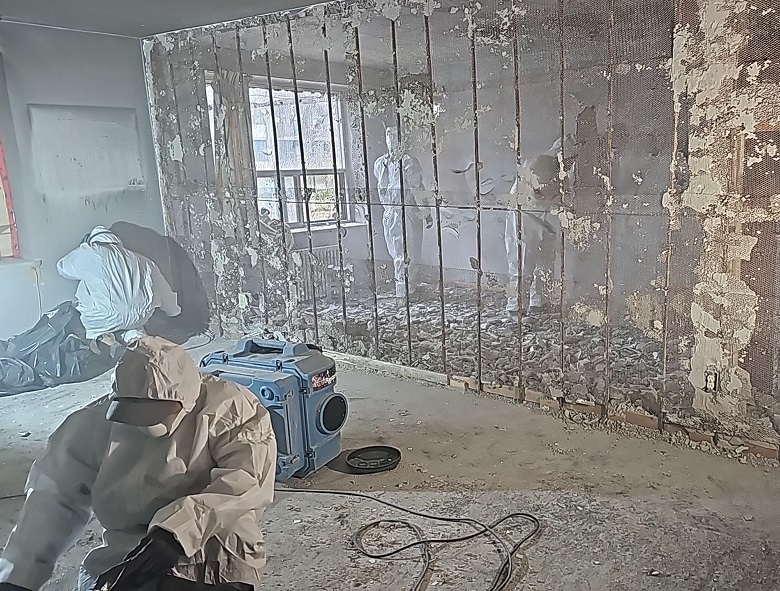
When it comes to hazardous materials, the terms “hazmat” and “biohazard” are often used interchangeably, but they refer to different categories of risks. Understanding these distinctions is crucial for safety, compliance, and effective cleanup. In this blog post, we’ll break down what hazmat and biohazard mean, how they differ, and what you need to know for safe handling and remediation.
Hazmat (short for hazardous materials) encompasses a wide range of substances that can pose a risk to health, safety, or the environment. This category includes chemicals, explosives, radioactive materials, and more. Hazmat can be found in various settings, including homes, workplaces, and industrial sites.
Common Types of Hazmat:
Biohazard refers to biological substances that threat to living organisms, primarily humans. This includes materials that are potentially infectious or that can cause disease. Biohazard situations often arise in healthcare settings, crime scenes, or when dealing with animal waste.
Common Types of Biohazard Materials:
When dealing with hazmat or biohazard situations, professional cleanup is often necessary to ensure safety and compliance with regulations.
Whether facing a hazmat or biohazard situation, it’s essential to engage professionals who specialize in these areas. For instance, at 247-365.ca, our trained experts are equipped to handle both types of situations safely and effectively.
Understanding the differences between hazmat and biohazard is essential for ensuring safety and compliance in handling hazardous materials. Whether you’re dealing with chemicals or biological risks, professional help is often the best course of action. For more information on hazmat and biohazard cleanup services, Contact us!.

50+ Restoration, Environmental, Inspection & Property Maintenance Services – 24/7 Across Southern Ontario